How to Get Rid of Air Conditioner Smell
Learn proven methods to remove odors from your air conditioner—filters, drains, coils, and deodorizing tips. Includes safety steps and when to call a professional.


Goal: identify odor sources in your air conditioner, safely clean or replace filters, deodorize the system, and prevent future smells. Start by powering down safely, inspecting and cleaning the filter, flushing the drain, and wiping surfaces with approved cleaners. This step-by-step guide covers practical methods, safety tips, and when to call a professional.
Understanding why air conditioner smells occur
Smells from an air conditioner usually originate from moisture buildup, mold or mildew in ducts or coils, dirty air filters, organic debris in the drain pan, or chemical residues from cleaners and nearby products. The scent can range from musty and moldy to sour, rotten, or ozone-like. Recognizing the odor type helps you target the fix rather than applying generic cleaners. According to Air Conditioner Service, addressing humidity control, improving filtration, and clearing moisture niches are the most effective first steps. In many homes, odors worsen in humid seasons when the system runs more frequently, so a proactive approach matters. Start with basic checks you can do safely, then proceed to deeper cleaning if needed. Safety comes first—power down the unit and wear PPE if you’re inspecting components closely.
Common odor sources in air conditioners
- Mold and mildew in ducts and evaporator coil housing, especially in poorly ventilated spaces.
- Clogged or damp air filter, which becomes a breeding ground for bacteria and mold.
- Condensate pan or drain line with standing water or slime that creates sour smells.
- Debris such as leaves or dust in outdoor unit or return air pathway.
- Residues from cleaners or fragrances that linger after evaporation.
- Stale air in long-unused systems, which can accumulate odors over time.
Identifying whether the smell is musty, sour, chemical, or organic helps determine whether you focus on moisture control, filtration, or duct cleaning. The Air Conditioner Service team notes that many odor issues are solvable with a combination of filter maintenance and drain line care.
Quick-action plan to tackle smells (non-technical)
Before you dive into deep cleaning, execute a quick triage:
- Power down the system at the thermostat and breaker if accessible and safe.
- Check the air filter: if visibly dirty or wet, replace it immediately.
- Open windows to ventilate the space and reduce airborne contaminants while you work.
- Inspect the condensate pan and visible drain line for slime or blockages.
- If you notice visible mold growth or persistent dampness, plan a deeper cleaning or professional evaluation.
This plan reduces exposure to dust and fumes during cleaning and sets you up for more thorough steps if needed. Air Conditioner Service emphasizes safety and a staged approach to odors, rather than rushing into aggressive chemical applications.
Cleaning and deodorizing safely
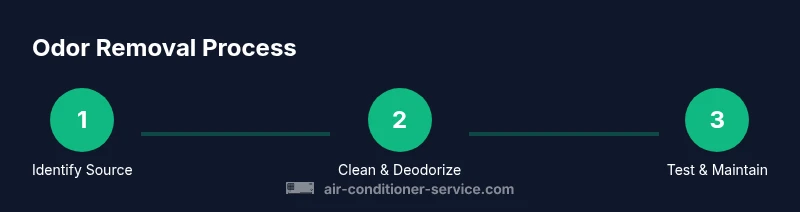
A practical odor-removal routine combines filtration, moisture control, and deodorizing agents that are safe for HVAC components. Start with the filter, then address moisture and coils with non-abrasive cleaners. For deodorizing, consider baking soda or activated charcoal placed near return vents or within the filter compartment to absorb lingering odors. If you use cleaners, choose products labeled safe for HVAC use, and avoid mixing bleach with ammonia or other cleaners—these combos can produce harmful fumes. Ventilate the area well during and after cleaning to speed drying and reduce residual scents. Air Conditioner Service recommends sticking to low-to-moderate-strength cleaners and testing any product on a small surface first to avoid damaging coils or finishes.
Safety considerations and professional help
Odors can indicate hidden moisture problems or microbial growth within ducts, which may require professional remediation. If you notice persistent dampness, active mold growth, a strong sewage-like odor, or symptoms like throat or eye irritation after running the system, don’t delay calling an HVAC pro. Do not attempt invasive duct cleaning or chemical remediation beyond your comfort zone. For routine odors caused by dirty filters or drains, a DIY approach with approved cleaners is usually sufficient. Air Conditioner Service reminds homeowners that when in doubt, it is safer and more effective to engage a licensed technician for mold, structural mold, or compromised coils.
Preventive maintenance to keep odors away
Prevention beats remediation. Schedule regular filter changes (monthly checks during peak seasons), coil cleanings, and condensate drain checks to prevent moisture buildup. Ensure outdoor and return-air pathways are clear of debris, and keep humidity under control with a dehumidifier if needed. A simple, ongoing routine like this reduces the chance of odors forming and maintains better indoor air quality. Air Conditioner Service highlights that consistent maintenance is the best long-term defense against smelly AC systems.
Tools & Materials
- Soft microfiber cloth(For wiping coils and surfaces)
- Mild household cleaner(Non-ammoniated; avoid abrasive formulations)
- White vinegar(Dilute for drain-line flush (optional))
- Baking soda(Deodorizing powder, place near vents)
- Activated charcoal(Absorb odors when placed near return air)
- Spray bottle(Mix cleaners or vinegar solution)
- Gloves and safety goggles(Protect hands and eyes during cleaning)
- Vacuum with brush attachment(Remove dust from coils and surrounding surfaces)
- Shop towels or rags(Drying and blotting)
- Screwdriver set (as needed)(Access panels or filters)
Steps
Estimated time: 60-90 minutes
- 1
Power down and assess safety
Turn off the thermostat and switch off the circuit breaker if accessible. Confirm there is no moisture around electrical components and wear PPE such as gloves and goggles. Safety first prevents shocks and injuries while you work.
Tip: If you’re unsure about breaker access, consult a licensed technician before touching electrical parts. - 2
Inspect and replace the air filter
Remove the filter housing cover and examine the filter. If it’s dirty, clogged, or wet, replace with an appropriately rated filter for your system. A clean filter improves airflow and reduces odor carry-through.
Tip: Choose a filter with a filtration level appropriate for your system and household needs. - 3
Flush and clean the condensate drain line
Check the drain line for slime or blockages. Use a vinegar-water solution or approved cleaner to flush, and ensure the line drains freely. Wipe the pan to remove any residue that might be contributing to odors.
Tip: Never use a high-pressure spray directly into the drain line; it can cause backflow. - 4
Clean evaporator coils and housing
Gently vacuum loose dust from coils and wipe with a mild cleaner. Avoid harsh scrubbing that could bend fins. If coils look corroded or damaged, stop and call a pro.
Tip: Use a coil-cleaning spray formulated for HVAC coils and follow product directions. - 5
Deodorize with safe agents
Sprinkle baking soda lightly in the return air path or use a vinegar mist on surfaces away from electrical components. Activated charcoal can be placed near vents for ongoing odor absorption.
Tip: Don’t apply baking soda directly on coil surfaces; use it in the duct or return area. - 6
Check for visible mold and damp areas
Look for dark patches or a musty smell around ducts, joists, and the cabinet. If mold is visible, avoid disturbing it and seek professional remediation.
Tip: Mold can release spores; wear a mask and seal off the area if you see growth. - 7
Test the system after cleaning
Restore power, set to fan or normal mode, and listen for unusual noises. Run the system for 10–15 minutes to evaluate odor reduction and airflow.
Tip: If the odor remains strong, avoid extended operation and plan a professional inspection. - 8
Schedule ongoing maintenance
Create a monthly habit: check filters, clear debris, and monitor humidity. Regular maintenance keeps odors from returning and extends equipment life.
Tip: Set calendar reminders for filter changes and coil cleanings.
Common Questions
Why does my air conditioner develop an unpleasant smell?
Odors often come from mold in ducts, dirty filters, moisture buildup, or organic debris. Understanding the source guides effective cleaning and prevention.
Odors usually come from mold, dirty filters, or moisture buildup—identify the source to fix it.
Can I use bleach to clean AC coils to remove smell?
Bleach can corrode metal and produce harmful fumes when mixed with other cleaners. Use manufacturer-approved HVAC cleaners and avoid mixing with ammonia.
Bleach is not recommended for AC coils; use approved cleaners and ventilate.
How often should I clean or replace the air filter to prevent smells?
Check the filter monthly and replace every 1-3 months, depending on usage and the filter type. This dramatically reduces odor carry-through.
Check monthly and replace every one to three months.
What should I do if the odor persists after cleaning?
If the smell continues, the issue may be mold in ducts or a more serious component problem. A licensed HVAC technician should evaluate the system.
If odor persists, contact a pro.
Are there safety concerns with mold in HVAC systems?
Mold exposure can irritate the respiratory system. Ensure proper cleaning and consider professional remediation for active growth.
Mold can affect health; if you suspect mold, consult a pro.
Is it safe to run the fan to dry after cleaning?
Yes. Run the fan to dry surfaces and improve air circulation. Ventilate the area and avoid running the system too soon after deep cleaning.
Run the fan and ventilate.
Watch Video
The Essentials
- Identify the odor source before fixing it
- Start with filters, drains, and moisture control
- Choose safe cleaners and ventilate while cleaning
- Call a professional for mold or persistent odors