How Air Conditioner Heat Works and Troubleshooting Guide
Discover how air conditioner heat works, common heating issues, and a practical, step-by-step troubleshooting guide for home performance. Learn safety tips, when to call a pro, and how maintenance boosts warmth and efficiency.


In this how-to guide, you’ll learn how air conditioner heat works, plus practical steps to diagnose and fix common heating problems. You’ll understand why heat mode may fail, what to check first, and when to call a professional. The aim is reliable warmth and efficient operation throughout the heating season.
Understanding how air conditioner heat works
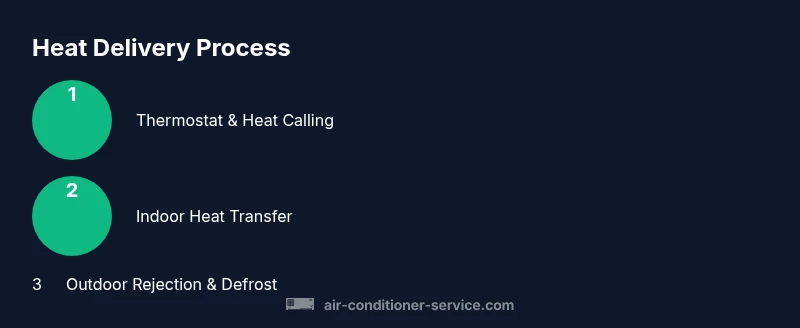
Air conditioners don't generate heat; they move heat from inside your home to outdoors and can provide warmth through a heat-pump cycle or using supplemental electric resistance. In heating mode, the refrigerant cycle is reversed so the outdoor coil absorbs heat and the indoor coil releases it inside. The amount of heat delivered depends on outdoor temperature, system type, and correct refrigerant charge and airflow. According to Air Conditioner Service, understanding how heat transfers helps homeowners diagnose heating irregularities early, avoid wasted energy, and schedule timely maintenance. For most homes, a properly operating heat pump will meet most heating needs down to moderately chilly conditions, while auxiliary heat (electric resistance strips) kicks in only when extra warmth is required or outdoor temperatures drop. In any case, consistent heat depends on clean filters, sealed ducts, and responsive thermostats.
Common heating issues and their causes
- Dirty air filters restrict airflow, reducing heat delivery and comfort. Regular filter changes prevent clogged ducts and poor heating performance.
- Thermostat settings or wiring problems can keep the system from entering heating mode or cause short cycling. Always verify mode and setpoint before diagnosing other components.
- A stuck reversing valve (in heat pump systems) or a faulty outdoor unit can prevent heat transfer. If the outdoor coil looks iced over or blocked, heat output suffers dramatically.
- Duct leaks or poorly insulated ducts waste heated air before it reaches living spaces. Trace gaps with a smoke test or professional duct inspection for best results.
- Low refrigerant due to leaks reduces heat transfer efficiency and can cause the system to struggle to warm a space. This requires a professional repair and leak repair.
- Electrical issues, blown fuses, or tripped breakers can disable heating elements or fans. Reset breakers and check safe operation after inspection.
Safety first: basic checks
Safety should come before any inspection. Always turn off power at the breaker before touching electrical components. Use a non-contact voltage tester to verify lines are dead. Wear eye protection when inspecting fans or the outdoor unit. If you smell burning insulation or see arcing, stop and call a licensed HVAC technician immediately. Keep pets and children away from the equipment while you test, and avoid climbing on the unit or stepping on ice near the outdoor coil. These safeguards protect you while you assess heat delivery issues.
Thermostat and electrical checks
Start with the thermostat: confirm it is set to heat, or auto, and that the temperature is higher than the room. Check the thermostat wiring for loose connections or corrosion. Ensure the indoor control board is receiving power and that any humidifier or zoning components aren’t interfering with heat mode. Inspect the control relays and fuses in the air handler or furnace compartment. If a diagnostic code appears on the thermostat or furnace, refer to the user manual or manufacturer’s website for meaning and reset procedures.
Airflow and filtration impact on heat delivery
Airflow is critical for heat. A clogged filter or restricted supply/return ducts reduce warm air reaching living spaces. Clean or replace filters every 1–3 months, depending on usage and household pollutants. Observe ceiling vents and registers for blockage by furniture or debris. Consider a duct cleaning or sealing if you notice persistent cold spots or dusty air. Improved airflow often yields immediate comfort gains and lower energy use.
Outdoor unit and refrigerant considerations
The outdoor condenser coil must be clear of leaves, snow, and debris. Debris impedes heat rejection, reducing heating efficiency. If you suspect a refrigerant issue, do not attempt to recharge it yourself. Refrigerant handling requires a licensed professional with proper gauges and leak detection equipment. A refrigerant leak not only harms performance but can be dangerous and illegal to fix on your own.
Ductwork and distribution
Leaky or poorly insulated ducts waste heat and cause uneven temperatures. Inspect accessible sections for obvious gaps and seal with UL-listed duct mastic. For inaccessible duct segments, professional insulation and sealing may be required. Addressing duct issues can dramatically improve comfort and reduce energy bills by ensuring heated air travels where it’s needed most.
Heat pump specifics vs standard AC
If you have a heat pump, heat mode relies on the reversing valve and the outdoor unit’s ability to extract heat from the air. When outdoor temperatures drop, auxiliary heat may engage. Regular checks of the reversing valve coil, defrost cycle performance, and outdoor fan operation help maintain warmth. For traditional air conditioners without heat pumps, heating typically relies on auxiliary electric resistance or a separate furnace, and heat distribution depends on ductwork and blower performance.
Seasonal maintenance tips for reliable heat
Create a simple seasonal plan: change filters, inspect outdoor unit clearance, test thermostat responsiveness, and schedule professional inspections twice a year. Clean the condensate drain line to prevent moisture buildup and possible mold. A proactive maintenance routine reduces unexpected cold snaps and keeps your system efficient. Air Conditioner Service emphasizes consistency here—seasonal care pays off with steady heat and lower energy use.
What to expect from a professional service
During a heating-focused service visit, a technician will inspect electrical components, test the thermostat and control board, assess airflow and duct condition, and check refrigerant levels if applicable. They will suggest targeted fixes, such as filter replacement, duct sealing, or component replacement, and will provide a clear quote before any work begins. Expect a written rundown of findings and a prioritized plan for restoring reliable heat.
Tools & Materials
- Screwdriver set (Phillips and flathead)(Include a small and a medium flathead for accessing panels)
- Digital multimeter(For testing voltage at thermostat and control boards)
- Flashlight or headlamp(Inspect dark crawl spaces and blower compartments)
- Vacuum with crevice tool or brush(Clean dust from filter housing and blower area)
- Duct tape or mastic sealant(Seal minor duct leaks if accessible)
- Personal protective equipment (gloves, safety glasses)(Protect hands and eyes during inspection)
Steps
Estimated time: 60-120 minutes
- 1
Verify thermostat settings and mode
Ensure the thermostat is set to heat or auto and that the target temperature is above the current room temperature. If your thermostat has a fan mode, set it to auto to let the system determine blower operation. This step confirms you are actually attempting to heat and not cooling or off mode.
Tip: If you recently changed thermostats, reprogram schedules and verify wiring matches the old configuration. - 2
Inspect and replace/clean the air filter
Remove and inspect the air filter. If it looks dirty or clogged, replace it with a filter of the correct size and efficiency. A clean filter improves airflow and heat output substantially.
Tip: Check both supply and return air paths to ensure unrestricted airflow. - 3
Check the outdoor unit and clear debris
Go outside and visually inspect the condenser unit for leaves, snow, or debris. Clear a 2–3 foot radius around the unit. A clean outdoor unit improves heat transfer and system efficiency.
Tip: Do not knock the fins; use a soft brush to gently remove debris. - 4
Inspect electrical connections and breakers
Turn off the main power, then check for loose wire connections at the thermostat, blower, and outdoor unit. Reset any tripped breakers and test the system gently. If you see signs of burning or melted insulation, stop and call a professional.
Tip: Keep a log of any flickering lights or breaker trips for the technician. - 5
Check for airflow obstructions inside the ducts
Walk along accessible ductwork to look for collapsed ducts, loose joints, or blocked vents. Blocked ducts reduce heat delivery significantly and can create hot and cold spots.
Tip: Seal minor gaps with approved duct mastic after confirming no ac voltage is present. - 6
Test heat delivery and cycle timing
Set the thermostat to a comfortable high temperature and listen for the indoor blower running continuously. Note if heat seems to come in bursts or if there is a long delay before warmth appears.
Tip: If the system uses auxiliary heat, observe when it activates and how long it stays on. - 7
Evaluate refrigerant status (do not DIY recharge)
If you suspect low refrigerant, do not attempt a recharge. A refrigerant issue requires a licensed tech with proper gauges and leak detection equipment. Lower refrigerant reduces heat transfer efficiency.
Tip: Look for oily stains near joints which can indicate a leak. - 8
Document findings and plan next steps
Record what worked or did not, including any changes in temperature, airflow, or noise. Use this as the basis to determine whether to continue DIY checks or book a professional service.
Tip: Share notes with your technician to save time.
Common Questions
Why is my air conditioner not heating in winter?
There are several common causes: thermostat missettings, dirty filters, restricted airflow, or outdoor unit debris. In heat pump systems, the reversing valve or defrost cycle can also affect heating. Start with basic checks and reserve HVAC service if warmth remains insufficient.
Common causes include thermostat settings, dirty filters, airflow restrictions, and outdoor unit debris. For heat pumps, check the reversing valve and defrost cycle.
Is heat mode available on all air conditioners?
Not all units provide heat. Most modern systems with heating capabilities are heat pumps or dual-function systems. If your unit is cooling-only, you may need a separate furnace or a heat-pump upgrade to enable heating.
Heating is available on heat-pump or dual-function units; cooling-only systems may need a separate furnace or upgrade.
Can a dirty filter affect heating?
Yes. A clogged filter reduces airflow, which lowers heating efficiency and comfort. Replacing filters regularly helps maintain heat delivery and energy efficiency.
Yes, dirty filters cut airflow and reduce heat delivery. Replace filters regularly.
Should I attempt to recharge refrigerant myself?
No. Refrigerant charging requires licensed technicians with proper equipment and safety protocols. A leak should be repaired first, and the system evacuated if necessary before recharging.
No—refrigerant work must be done by a licensed pro; leaks must be fixed first.
What noises indicate a problem with heating?
Buzzing, rattling, or hissing sounds can indicate loose parts, duct leaks, or refrigerant issues. If noises persist, schedule a diagnostic visit.
Buzzing or banging sounds often mean loose parts or refrigerant issues; get a check.
When is it time to replace the air conditioner heat system?
If repairs exceed a substantial portion of a new unit’s cost or efficiency, or repeated issues recur, replacement may be more cost-effective and dependable long-term.
If repairs are frequent or costly, replacement may be the smarter choice.
Watch Video
The Essentials
- Understand heat transfer fundamentals and how a heat pump operates
- Regular maintenance improves heat delivery and energy efficiency
- Safety first: shut power before any inspection
- DIY checks are limited; refrigerant issues require a pro