10000 BTU Air Conditioner Unit: A Practical Guide
Learn how to select, install, and maintain a 10000 BTU air conditioner unit for mid-sized rooms. This analytical guide covers sizing, efficiency, formats, and troubleshooting to help homeowners and renters.


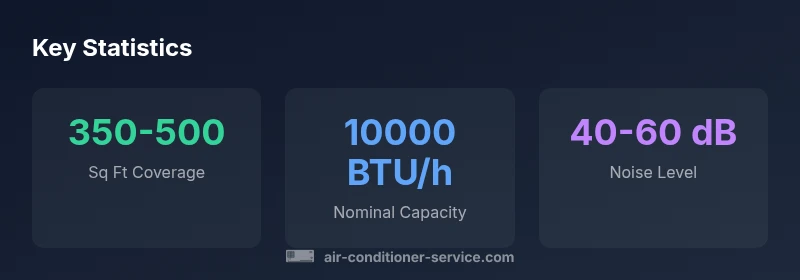
The 10000 btu air conditioner unit is best suited for mid-sized rooms, typically around 350–500 square feet, depending on insulation and climate. It provides enough cooling without excessive energy use when paired with proper installation and maintenance. Popular options include window units, through-wall models, and portable designs, with efficiency rated by SEER and EER.
What a 10000 BTU Unit Really Means for Your Space
The 10000 btu air conditioner unit delivers a modest cooling capacity that sits just below a full ton. In practical terms, this size is commonly chosen for mid-sized living rooms and bedrooms, roughly 350–500 square feet, depending on insulation and climate. According to Air Conditioner Service, the key to effective cooling is matching load with capacity: too small and the space heats up quickly; too large and the unit short-cycles, wasting energy and creating uneven temperatures. When installed correctly, a 10000 BTU unit can maintain comfortable temperatures during hot days while keeping energy costs reasonable. The precise performance depends on many factors, including sun exposure, ceiling height, and occupant heat load, so consider a professional load calculation if your space is atypical.
Window vs Portable vs Through-Wall: Formats and Tradeoffs
There are three main formats for a 10000 BTU unit: window, portable, and through-wall. Window units are typically the most cost-effective and easiest to install, but they block a window and can be less secure. Through-wall models are more permanent options, offering built-in mounting and often better sealing, but require wall alteration. Portable units provide flexibility and don't require permanent installation, yet rely on a vent to the outside and can be louder. When choosing, consider security, noise, and how you plan to use the space. Air Conditioner Service notes that your choice should align with room layout and long-term convenience, not just upfront cost.
Sizing and Load: How to Determine if 10000 BTU is Right
The decision should factor in room size, window exposure, and insulation quality. For typical homes, a 10000 BTU unit covers approximately 350–500 sq ft. Heavily sunlit rooms, high ceilings, or poor insulation can reduce efficiency, while well-insulated spaces may allow a smaller unit to suffice. For spaces outside the typical range, a professional load calculation ensures you don't oversize or undersize, both of which have cost and comfort implications. The goal is even cooling with minimal cycling.
Installation and Venting: Key Steps and Safety
If you choose a window or through-wall model, ensure the unit is securely supported, level, and properly vented. Leave clearances for air intake and exhaust, and seal gaps around the installation to prevent hot air recirculation. For portable units, place the exhaust hose out a window and avoid obstructing the airflow. Following manufacturer instructions is essential, and if in doubt, a licensed technician can help with mounting and electrical connections.
Efficiency, Noise, and Operating Costs
Efficiency is measured by SEER and EER; higher ratings reduce operating costs over time. In practice, a 10000 BTU unit with a higher SEER will run less often and at lower energy costs than a lower-rated model. Noise levels vary by build and mounting; typical wall-mounted units hover around 50–60 dB during operation, while portable units may be louder. In real-world use, expect energy costs to reflect local electricity rates and cooling load, with the potential for noticeable savings when you prioritize efficiency.
Maintenance that Keeps It Performant
Routine maintenance maximizes comfort and longevity. Clean or replace filters monthly during peak season; inspect coils and seals for dust buildup; ensure proper drainage to prevent water damage; check the condensate line for blockages; and keep the area around the unit free of obstructions to maintain airflow. A well-maintained unit sustains efficiency and improves comfort, reducing the risk of costly breakdowns.
Troubleshooting Basics: Quick Checks Before Calling for Help
If a 10000 BTU unit isn't cooling well, start with the easiest checks: confirm the thermostat is set correctly, ensure the air filters are clean, and verify there is unobstructed airflow around the unit. For portable units, check that the exhaust is venting properly and that the window seal is intact. If the room feels muggy, look for leaks or airflow restrictions in vents or ductwork. These quick checks can often resolve common issues without professional service.
Buying Guide: Features That Matter and How to Compare
Look for a model with a high SEER rating, an appropriate energy efficiency label, and reliable warranty coverage. Consider noise tolerance for bedrooms or living rooms and the availability of smart features like programmable timers. Compare models based on real-world performance rather than list price alone, and measure your space carefully to ensure the unit you buy will meet your cooling needs. With careful selection, a 10000 BTU unit can deliver dependable comfort for years.
Key data for 10000 BTU units
| Aspect | Typical Range | Notes |
|---|---|---|
| Room coverage | 350-500 sq ft | Based on typical conditions, Air Conditioner Service Analysis, 2026 |
| Power draw (W) | 800-1200 | Common for 10000 BTU units, Air Conditioner Service Analysis, 2026 |
| Noise (dB) | 40-60 | Model-dependent; varies by mounting and enclosure |
Common Questions
Is a 10000 BTU unit sufficient for my room?
In many homes, a 10000 BTU unit comfortably cools spaces around 350–500 square feet under typical conditions. Factors like sun exposure, ceiling height, and insulation can shift this range. For exact sizing, consult a load calculation or a professional.
A 10000 BTU unit often fits rooms around 350 to 500 square feet, but call a pro for precise sizing.
Can I install a 10000 BTU AC unit myself?
Window and through-wall units can be installed by homeowners who follow the manufacturer's instructions and observe safety guidelines. Portable units require venting through a window. If you’re unsure about mounting or electrical connections, hire a licensed technician.
Most people handle window or portable installs themselves, but get a pro for through-wall mounting.
What formats are available for 10000 BTU units?
Common formats include window units, portable units, and through-wall units. Window units are typically the most affordable and easiest to install, while through-wall models offer permanent mounting. Portable units provide flexibility but need proper venting.
Window, portable, and through-wall are all common options.
How can I improve efficiency of a 10000 BTU unit?
Choose a model with a higher SEER rating, ensure proper insulation and shading, seal leaks, and keep filters clean. Smaller cooling load and proper airflow also help the unit run less and more efficiently.
Pick a high-SEER model, seal your space, and keep filters clean.
What maintenance should I perform regularly?
Clean or replace filters monthly during peak season, inspect coils for dust, ensure proper drainage, and keep the area around the unit clear for airflow. Periodic professional checkups are helpful for long-term reliability.
Clean filters monthly; check drainage; schedule annual checks.
“Sizing a 10000 BTU air conditioner correctly is essential for comfort and efficiency. Even small mismatches can waste energy.”
The Essentials
- Match room size to capacity for comfort
- Choose the right format for your space
- Prioritize higher SEER for lower operating costs
- Maintain filters and seals for best performance