How to Replace Air Conditioner with Heat Pump: A Homeowner's Guide
A practical, step-by-step guide to replacing your central AC with a heat pump, covering planning, sizing, permits, installation, and maintenance for homeowners.


To replace an air conditioner with a heat pump, you’ll need careful planning, accurate sizing, and proper permits, followed by licensed electrical and refrigerant work. This process minimizes energy use, avoids refrigerant hazards, and ensures compatibility with your existing ductwork. According to Air Conditioner Service, professional installation is essential for safety and efficiency.
Why replacing an air conditioner with a heat pump makes sense
Heat pumps offer year-round comfort by moving heat in or out of your home rather than converting energy into heat. In mild to moderate climates, a heat pump can deliver meaningful energy savings, reduce temperature swings, and simplify maintenance compared with a separate cooling and heating system. Replacing an aging central AC with a heat pump can also improve indoor air quality via advanced filtration, and some units dehumidify effectively. However, success depends on climate, ductwork condition, insulation, and upfront investment. According to Air Conditioner Service, a professional assessment helps identify heat pump suitability, duct integrity, and expected performance before proceeding.
Assessing home readiness: climate, ducts, and loads
Before replacing an AC unit with a heat pump, verify that your home’s climate and insulation are compatible with heat-pump operation. Heat pumps perform most efficiently in temperate to warm regions and can struggle in extreme cold unless paired with supplemental heating. A professional will perform a load calculation to determine the right system size and check ductwork for leaks, improper insulation, or restricted airflow. If ducts are undersized, you may not achieve the claimed efficiency gains, regardless of the heat pump’s efficiency rating. Air Conditioner Service notes that a duct- and load-focused assessment leads to a more predictable outcome.
Sizing and choosing heat pump equipment
Accurate sizing is critical: an undersized unit won’t meet heating needs, and an oversized unit will short-cycle, wasting energy and increasing wear. Your installer will consider climate zone, home orientation, insulation, window efficiency, and existing ductwork. You’ll typically choose between air-source heat pumps (the common option) or, less commonly, ground-source systems. Ensure the selected model has an appropriate SEER and HSPF rating and that the outdoor unit matches your indoor coil and thermostat setup.
Permits, codes, and planning considerations
Permitting and code compliance are essential parts of a heat pump replacement project. Most jurisdictions require electrical work, refrigerant handling, and equipment installation to be performed by licensed professionals. Your contractor should obtain necessary permits, schedule inspections, and provide documentation for warranty and safety. Plan for possible electrical panel upgrades or new disconnects if the current system cannot safely handle the heat pump load.
Installation approach: professional vs DIY and safety
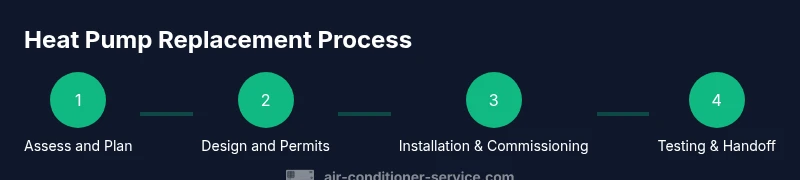
For safety and reliability, most homeowners opt for professional installation. A qualified HVAC technician will handle mounting, refrigerant connections, duct sealing, and electrical wiring. Attempting DIY refrigerant work or high-voltage wiring is dangerous and may void warranties. Expect a multi-step process that includes site preparation, equipment placement, refrigerant charging, and system commissioning to ensure balanced airflow and correct refrigerant charge.
Operating, maintenance, and performance expectations
A heat pump requires regular maintenance, including filter changes, coil cleaning, and annual inspections. Properly sealed ducts and good insulation improve performance and reduce energy usage. In colder months, some systems use auxiliary heat; discuss energy usage with the installer and set expectations for comfort on the coldest days. Modern heat pumps offer programmable thermostats and zoning options to optimize efficiency.
Cost considerations and incentives (what to expect)
Costs for replacing an air conditioner with a heat pump vary by climate, house size, ductwork condition, and equipment selected. While the upfront investment is higher than simple AC replacement, many homeowners see long-term efficiency gains and potential incentives or rebates depending on location. A licensed installer can provide a detailed estimate and help you understand available energy-efficiency programs.
Next steps: choosing a qualified installer
Start by requesting multiple quotes from licensed HVAC contractors who specialize in heat-pump replacements. Ask for load calculations, duct inspections, equipment specs, warranty terms, and references. A good installer will walk you through the plan, permit process, installation timeline, and post-installation maintenance plan. After installation, verify that airflow is balanced, the refrigerant charge is correct, and the thermostat controls are calibrated.
Tools & Materials
- Licenses and permits(Local electrical and refrigerant handling permits may be required)
- Heat pump system (outdoor condenser + indoor air handler)(Select model with appropriate SEER/HSPF ratings; ensure compatibility with ductwork)
- Refrigerant lines kit and insulation(Includes line-set connectors and insulation for long runs)
- Electrical disconnects and wiring components(Upgrade may be needed to meet load; professional installation required)
- Duct sealing materials(Mastic, sealant, and tape to minimize leaks and maximize efficiency)
- Leak detection tools(Electronic leak detector or equivalent for refrigerant system checks)
- Thermostat compatible with heat pump(Smart thermostats enable zoning and enhanced efficiency; optional but recommended)
Steps
Estimated time: 4-8 hours
- 1
Assess readiness and plan
Conduct a site survey, verify ductwork condition, and determine required equipment. Gather existing electrical data and building insulation information to inform sizing. Create a project plan with milestones and responsibilities.
Tip: Document current equipment models and electrical panel capacity to avoid surprises during installation. - 2
Evaluate electrical service and panel capacity
Have a licensed electrician confirm that your electrical service can handle a heat pump load. If needed, plan for panel upgrades or new disconnects to support safe operation.
Tip: Shut off power at the main panel before any electrical work; never work live wires. - 3
Secure permits and schedule installation
Your contractor should file the necessary permits and arrange inspections. Timelines depend on local codes and permit review, so factor potential delays into planning.
Tip: Ask for a written permit plan and inspection schedule to avoid last-minute gaps. - 4
Design ductwork and ventilation changes
A heat pump often changes airflow patterns; duct sealing and balancing ensure even distribution. Address any leaks or insulation gaps in crawl spaces and attics.
Tip: Perform a manual J load calculation to verify duct sizes align with the new system. - 5
Prepare refrigerant lines and outdoor unit location
Install line-set connections with proper insulation and route refrigerant lines to minimize exposure. Choose a location for the outdoor unit with clearance for service and good airflow.
Tip: Keep lines shielded from direct sunlight and monitor for potential vibration during operation. - 6
Install outdoor unit and indoor air handler
Mount the outdoor condenser, connect the indoor air handler, and route duct connections. Ensure electrical wiring, condensate drainage, and thermostat wiring are correct.
Tip: Verify mounting surfaces are level and secure to reduce vibration and noise. - 7
Charge, test, and balance the system
Charge refrigerant to manufacturer specifications, test for leaks, and balance airflow. Run diagnostic tests and verify controls, defrost cycles, and backup heating as applicable.
Tip: Use a digital manometer and refrigerant scale to ensure precise charging. - 8
Commissioning and handoff
Finalize settings, document equipment specifications, and deliver maintenance guidance. Train occupants on thermostat use and zones, and provide warranty information.
Tip: Schedule a follow-up check after the first full month of operation.
Common Questions
Is it worth replacing an air conditioner with a heat pump?
In many climates, a heat pump can improve year-round comfort and energy efficiency, but suitability depends on climate, existing ductwork, and budget. A professional assessment helps you weigh pros and cons.
A professional assessment can show if a heat pump makes sense for your home.
What permits are needed to replace AC with a heat pump?
Permits vary by location, but electrical and refrigerant work typically require approval. Your contractor should handle permits and inspections and provide documentation for warranty.
Permits depend on your area; your installer will handle them.
Can I install a heat pump myself?
Refrigerant handling and high-voltage electrical work are hazardous and require licenses. It is strongly advised to hire a licensed HVAC professional.
This is not a DIY-friendly job; hire a pro.
Will existing ducts work with a heat pump?
Ducts may need sealing, resizing, or balancing. An HVAC professional assesses duct size, insulation, and leaks to ensure compatibility and efficiency.
Ducts often need evaluation and possible upgrading.
What maintenance is required after installation?
Regular filter changes, annual inspections, and coil cleaning help maintain efficiency. Schedule professional service yearly and address any airflow issues promptly.
Keep up with yearly professional checks and filter changes.
How long does installation take?
Installation typically spans a day or two, depending on home layout, ductwork, and permits. A licensed installer will provide a detailed timeline.
A pro will give you a clear schedule after assessing your home.
Watch Video
The Essentials
- Assess climate and duct readiness before replacement.
- Size the system accurately to match home loads.
- Secure permits and hire a licensed installer.
- Inspect and balance ducts for optimal airflow.
- Plan maintenance to sustain long-term efficiency.