Central Air Installation: A Practical Home Guide
A comprehensive, step-by-step guide to planning, sizing, and installing a central air system with safety, permits, ductwork, and post-install maintenance tips for homeowners and renters.


You will plan, size, and install a central air system by coordinating ductwork, electrical connections, and outdoor equipment. Start with a professional load calculation, confirm permits, and prepare for proper airflow. This guide covers planning, equipment selection, site prep, safe installation, and final testing to ensure a reliable, efficient cooling solution.
Planning and Sizing for Central Air Installation
Planning is the foundation of a reliable central air installation. According to Air Conditioner Service, a successful project starts with a clear understanding of the home's cooling needs, existing ductwork, and the layout of living spaces. Start by taking stock of the home’s square footage, ceiling heights, window orientation, and the typical occupancy pattern. A properly sized system provides consistent comfort and avoids energy waste from oversizing or undersizing.
Next, perform a formal load calculation using recognized guidelines (often called Manual J). If you hire a contractor, they should run this calculation and show you the results. The load calculation informs the required cooling capacity in BTUs and guides duct design. In homes with unusual layouts, multiple zones, or extreme sun exposure, you may need two-stage equipment or a multi-zone system to balance comfort. In these discussions, Air Conditioner Service suggests documenting any special considerations—historic homes, vaulted ceilings, or detached buildings that share a central duct network.
Before you pick equipment, verify existing electrical service and space for the outdoor condenser. Ensure there’s adequate clearance for airflow and that nearby landscaping doesn’t block airflow or trap heat. Check local permitting requirements and HOA rules early, because changes to the central air system often require approval. Budget for duct sealing and potential upgrades to your attic or crawlspace insulation, which can dramatically improve performance. With planning in place, you set the stage for a smoother installation and a longer-lasting, efficient cooling solution.
System Selection and Sizing Considerations
Choosing the right equipment involves balancing efficiency, climate, and budget. In the selection phase, aim for a unit with an appropriate SEER rating and sufficient cooling capacity for the load. Air Conditioner Service analysis shows that higher efficiency units can reduce operating costs over time, but the incremental savings depend on usage, climate, and electricity rates. If you live in a hot climate, a high-efficiency unit may pay for itself more quickly. Also consider whether your home uses a gas furnace with a central air handler or an air-source heat pump. If you plan to age in place or have future upgrades, a system with zone control and smart thermostats offers more flexibility.
Evaluate ducted vs ductless options and think about airflow design. Ducts that are leaky or poorly insulated waste energy and create pressure imbalances. For homes with existing ductwork, a professional can assess duct leakage and size, and may recommend sealing or replumbing. For new installations, plan duct routes to minimize bends and transitions. Finally, get quotes from multiple contractors and verify warranties and service terms. The contractor you choose will influence the installation quality, which affects system performance for years to come.
Ductwork and Air Distribution Considerations
Air distribution is the backbone of comfort. Properly designed, sealed, and insulated ducts ensure that conditioned air reaches living spaces evenly with minimal leaks. Start by assessing the existing duct network: note any detached ducts, oversized trunks, or long runs that create pressure losses. Use metal ducts for durability where possible, and seal every joint with mastic and reinforced tape to prevent leakage. Insulate exposed ducts in attics or crawlspaces to reduce heat gain and energy waste. For homes with significant duct losses, a professional may recommend sealing, lining, or even rerouting ducts to improve airflow balance. The goal is to maintain consistent air pressure and prevent hot or cold pockets in rooms.
Consider zoning options if your home has varying cooling needs by floor or room type. Zone control, paired with smart thermostats, helps reduce energy use and improve comfort in spaces that are rarely used. Keep large returns clear of obstacles and maintain a clean, unobstructed path for air to circulate. Finally, plan for future maintenance by labeling ducts and registers, which makes filter changes and troubleshooting easier for future homeowners.
Permits, Codes, and Site Preparation
Before any equipment arrives, verify local requirements for permits, electrical wiring upgrades, and safety codes. Most jurisdictions require a permit for new central air installation, and inspections confirm that the system meets efficiency and safety standards. An early conversation with your contractor about required permits can prevent delays. The site should have enough space for the outdoor condenser and indoor air handler, with clearances from walls, vegetation, and structures. Ensure access to the electrical panel and a dedicated circuit or subpanel as needed. Inspect attic and basement spaces for potential moisture, mold, or insulation gaps that could affect performance. Addressing these issues upfront supports a quieter, more efficient system and reduces post-installation problems.
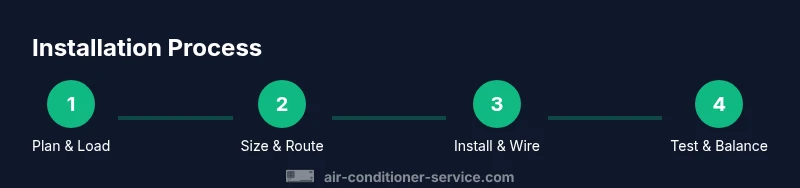
The Installation Process: What Happens During Installation
A typical installation sequence begins with mounting the outdoor condenser, securing the indoor air handler, and routing refrigerant lines. The line set is insulated to prevent heat gain and condensation, and the outdoor unit is positioned with level feet and proper airflow clearance. A licensed technician will connect electrical wiring, install a thermostat, and verify that all connections meet code requirements. If ductwork is involved, joints are sealed, and duct insulation is applied where needed. The refrigerant charge is added according to the load calculation, and a vacuum test ensures there are no leaks. Throughout this process, maintain a clear path for technicians and protect household surfaces from dust and debris. This step-by-step work must comply with safety standards and local regulations.
Testing, Balancing, and Commissioning
After installation, the system undergoes a thorough test to verify performance. The technician checks refrigerant pressure, electrical connections, airflow, and temperature differentials between supply and return air. If mismatches occur, adjustments to dampers, refrigerant charge, or thermostat settings are made. Balancing airflow ensures each room receives the intended cooling, and testing confirms stable operation under varying loads. The commissioning phase also includes safety checks for electrical components and condensate drainage. Scheduling periodic maintenance after commissioning helps sustain efficiency and extend the life of the system. The Air Conditioner Service team recommends keeping a maintenance schedule and documenting technician visits for future reference.
Maintenance, Longevity, and Safety Considerations
Long-term performance depends on regular maintenance. Change or clean filters according to manufacturer guidance and inspect refrigerant line insulation for damage. Schedule professional inspections annually or biannually, especially before peak cooling season. Fresh airflow, clean coils, and tight duct connections reduce energy waste and improve cooling consistency. When issues arise, avoid DIY refrigerant handling or electrical work beyond basic maintenance. Always follow safety protocols, wear appropriate PPE, and rely on licensed professionals for tasks that involve high voltage, refrigerants, or structural modifications. The Air Conditioner Service team cautions that neglecting maintenance or taking shortcuts can lead to costly repairs and unsafe conditions.
Tools & Materials
- Electrical disconnect and service panel access(Dedicated circuit for outdoor condenser; ensure service is de-energized before work)
- Voltage tester(Check wiring, disconnects, and controls before touching components)
- Multimeter(Verify thermostat and sensor signals; confirm proper voltages)
- Screwdriver set (Phillips and flathead)(Mounts and secures equipment; used on electrical panels)
- Drill/driver with bits(Drilling mounting holes and securing hardware)
- Tin snips or duct cutter(Cut ducts to fit routes and transitions)
- Duct mastic/sealant and metal tape(Seal joints to minimize leaks and improve efficiency)
- Sheet metal screws and duct adhesive(Secure duct connections and protective sealing)
- Measuring tape and level(Accurate placement and level mounting of units)
- Refrigerant line insulation(Insulate lines to prevent condensation and energy loss)
- Vacuum pump and gauge set(Evacuate lines and remove moisture before charging)
- Refrigerant scale(Accurate refrigerant charging per load calculation)
- Personal protective equipment (gloves, goggles, hard hat)(Safety gear for handling equipment and sharp edges)
- Duct sealing tape and mastic(Secure and seal all duct joints)
Steps
Estimated time: 8-16 hours
- 1
Compute load and plan layout
Begin with a home-wide cooling load assessment and document space-by-space needs. This guides equipment size, duct routing, and zone options. A professional can run the relevant calculations and show you results.
Tip: Use a Manual J calculation or trusted software; involve a licensed contractor if you’re unsure. - 2
Select equipment and confirm size
Choose a unit based on the load result, climate, and efficiency goals. Decide between single-stage, two-stage, or variable-speed systems, and consider zone control for larger homes.
Tip: Avoid oversizing; it reduces efficiency and shortens system life. - 3
Prepare site and ductwork
Clear and leveled mounting locations; inspect and repair ductwork as needed. Seal leaks and insulate ducts in attic or crawlspaces to maximize performance.
Tip: Label ducts and returns for future maintenance. - 4
Mount outdoor unit and indoor handler
Position the condenser and air handler according to the manufacturer’s clearance requirements and ensure solid mounting. Connect the mounting hardware securely.
Tip: Keep level to prevent vibration and noise; maintain clearances for airflow. - 5
Run refrigerant lines and electrical wiring
Route and insulate refrigerant lines; run wiring and thermostat connections. This step often requires licensed technicians for refrigerant handling and electrical work.
Tip: Never compromise on line insulation or over-tighten fittings. - 6
Seal, test, and balance airflow
Seal all joints and test for leaks; measure airflow and pressure across zones; adjust dampers or vents as needed to balance comfort.
Tip: Perform a full refrigerant charge check only after a vacuum is achieved. - 7
Permits, inspection, and commissioning
Submit any required permits and schedule inspections. Have the system commissioned by a technician to verify performance and safety before use.
Tip: Document inspection results and keep maintenance records for future reference.
Common Questions
What is central air installation?
Central air installation is the process of placing an indoor air handler and outdoor condenser, connecting refrigerant lines and ductwork, and setting up controls to provide whole-home cooling. It requires proper sizing, duct design, and compliance with safety codes.
Central air installation is setting up a home-wide cooling system with ducts and a condenser. It involves sizing, installing, and testing the equipment to keep your whole house comfortable.
Do I need a permit for installation?
Most areas require a permit for installing a central air system. Permits ensure electrical work, refrigerant handling, and duct installations meet local codes and safety standards. Check with your city or HOA and your contractor to determine the requirements.
In most places, you’ll need a permit for central air installation to meet safety standards.
How long does installation take?
Installation time varies by home size, duct layout, and system type. A straightforward residential install can take a day or two if access is easy and no major ducting changes are needed.
It often takes a day or two, depending on your home and the system chosen.
Can I install central air myself?
DIY central air installation is not recommended due to refrigerant handling, electrical work, and duct modifications that require licensing and specialized tools. Hire a licensed HVAC professional for safety and compliance.
It’s not safe or recommended to install central air yourself; rely on a licensed HVAC pro.
What factors affect the cost?
Cost varies with system size, ductwork, labor, permits, and any needed upgrades to electricity or insulation. Get multiple quotes and ask for a detailed breakdown to understand the major cost drivers.
Cost depends on size, ductwork, and labor; ask for a clear quote from your contractor.
Watch Video
The Essentials
- Plan with a professional load calculation.
- Size the system to the actual cooling load, not guesses.
- Obtain permits and schedule inspections early.
- Ensure air distribution is balanced for even comfort.
- Commission the system to confirm performance and safety.