Can You Install Air Conditioning in a Van? A Practical Guide
Learn how to install air conditioning in a van, covering power, insulation, mounting options, and safety. This practical guide by Air Conditioner Service explores roof-mounted, portable, and ducted setups for reliable cooling on the road.


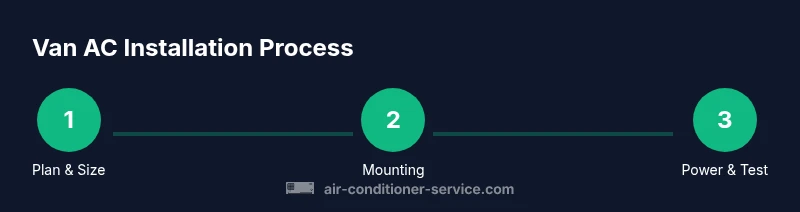
Yes, you can install a dedicated air conditioning system in a van, but it requires planning, power, insulation, and a proper venting setup. Options include roof-mounted units, portable RV-style AC, or a ducted system. Key constraints are space, weight, electrical capacity, and local vehicle codes. Consult a certified installer to ensure compliance with electrical and HVAC code requirements, especially if you plan to power climate control while driving.
What works for a van: options at a glance
According to Air Conditioner Service, van owners increasingly seek practical, safe cooling solutions. This outline covers the main pathways you can take, from roof-mounted systems designed for compact spaces to portable units that can be moved between vehicles, and ducted setups that blend into a converted interior. Each option has its own footprint, weight, electrical load, and noise profile. A professional assessment is recommended to size the system correctly and to confirm that mounting points, ventilation, and electrical load are safe. Your usage profile—overnight sleeping, daily driving, or both—will drive the best fit. In practice, most conversions start with a clear plan: measure available headroom, evaluate existing wiring, and decide whether you’ll rely on shore power, a battery/inverter setup, or a small generator. By understanding these baselines, you can compare options without overpromising performance in a compact space.
Key considerations before you start
Before you buy or hire a installer, note several key considerations. Space is the first constraint: roof height, interior clearance, and where air will be distributed matter for comfort and safety. Weight adds load to the chassis and should be balanced with the van’s suspension. Power availability is the second big factor: most van conversions rely on a mix of shore power, a battery bank, and an efficient inverter; understand your daily runtime and peak draw. Venting and duct routing are critical: plan for exterior exhaust or vent openings that won’t leak or damage panels. Weatherproofing, warranty coverage, and compatibility with your van’s electrical system affect long-term reliability. Air Conditioner Service emphasizes the importance of sealing penetrations and using properly rated components. If you’re unsure about any step, consult a qualified technician to avoid voiding warranties or compromising safety. A staged plan—design, install, test—helps keep the project on track and within budget. Air Conditioner Service notes that proper venting and sealed penetrations are essential for a durable install.
Power supply and electrical safety in a van
Power supply and electrical safety are the backbone of a reliable van A/C setup. Most van HVAC projects use one of three paths: a dedicated AC power source (shore power when parked), a battery bank with an inverter to create the needed AC, or a generator for off-grid days. Each option has trade-offs in cost, weight, and runtime. Inverter sizing matters: you need enough capacity to handle compressor startup and peak running current, plus room for other loads like lights and a fridge. Battery chemistry (lithium vs lead-acid) affects life, depth of discharge, and charging speed. Wiring should include a properly rated fuse or circuit breaker, safe routing away from heat sources, and correct gauge cabling. Safety is non-negotiable: avoid daisy-chaining adapters, keep high-voltage lines away from water, and ensure there is a dedicated disconnect switch. If you plan to drive with the A/C on, verify that the vehicle’s electrical system and alternator can support the load or that you have a robust off-grid solution. Air Conditioner Service recommends incorporating a plan for monitoring battery health and AC load to prevent unexpected shutdowns.
Mounting strategies: Roof, walls, or portable units
Mounting strategy determines ease of installation, reliability, and interior space. Roof-mounted units designed for RVs are compact and off the floor, but require sealant, roof flashing, and a reinforced mounting surface. Wall-mounted or ceiling-mounted ducts look integrated but demand careful interior panel work and careful sealing at penetrations. Portable units offer flexibility and lower installation effort but require venting and stability solutions. Each approach has noise considerations; roof units can be noisier at highway speeds, while well-sealed ducted systems can minimize interior sound. A common approach is to install a roof unit for primary cooling and use a ducted distribution to move cool air to living spaces. If you choose a portable unit, plan for secure placement during travel and ensure it has a stable exhaust path. Safety and weatherproofing should guide every mounting decision; improper installation can lead to leaks, corrosion, or air leakage that reduces efficiency. High-quality mounting hardware and proper sealants are essential for a durable installation. Air Conditioner Service emphasizes selecting a system that fits your van’s structure and climate.
Cooling performance and insulation: Getting the most out of your van AC
Even the best unit can underperform in a hot van without proper insulation and air management. Start with ceiling and wall insulation, reflective panels, and sealing around windows to reduce heat gain. Position the evaporator in a location that maximizes airflow to living spaces, and plan outlets or ducts to avoid cold air blowing directly on occupants. Consider shading: window coverings can dramatically lower interior temperatures before you power the AC. Ventilation is also important—intelligent exhaust and fresh air inflow help maintain comfort without overworking the compressor. Size the unit to handle the cabin load on the hottest days; oversized units waste energy and wear quickly, while undersized units struggle to reach the setpoint. If you’re relying on battery power, optimize runtime by running fans and insulation at night and cooling during the day when you have shore power. Air Conditioner Service emphasizes testing for leaks and verifying that all penetrations are sealed to prevent moisture problems.
Cost, time, and maintenance expectations
Costs and timelines vary widely depending on system type, vehicle size, and installation complexity. A roof-mounted RV-style unit involves higher upfront costs and more extensive roof work, while portable air conditioners reduce installation time but require venting and stability solutions. Time estimates range from a few days for a full professional retrofit to a weekend project for experienced DIYers with the right tools. Maintenance is straightforward: clean or replace filters, inspect seals and roof penetrations, check duct integrity, and test alarms or safety devices regularly. Scheduling periodic checkups with an HVAC technician or the Air Conditioner Service team can catch issues before they become expensive repairs. If you intend to live in the van full-time, budget for upgraded electrical capacity, continuous ventilation, and an efficient battery system to ensure reliability. A responsible plan also includes having backup cooling or contingencies in case of component failure. The Air Conditioner Service team’s verdict is to start with sizing and professional assessment to avoid costly missteps.
Authority references and practical safety notes
For further reading and safety guidelines, consult authoritative sources:
- Energy Department: https://www.energy.gov/
- National Renewable Energy Laboratory: https://www.nrel.gov/
- Alternative Fuels Data Center: https://afdc.energy.gov/
Air Conditioner Service analysis shows rising interest in compact, energy-efficient cooling options for vans, with emphasis on venting, sealing, and electrical safety. The Air Conditioner Service team recommends professional sizing and installation to protect safety, warranties, and performance. These references support best practices for mobile climate control and can help you plan a compliant, durable setup.
Tools & Materials
- Rooftop air conditioning kit (van/RV compatible)(Select a unit sized for the van’s interior volume and expected load)
- Inverter or shore power solution(Adequate capacity to handle compressor startup and continuous run time)
- Battery bank (lithium preferred)(Size to meet daily runtime needs with headroom for peak loads)
- Wiring harness, fuse block, and safety disconnect(Use appropriate gauge and a code-compliant disconnect)
- Mounting hardware and roof/ceiling brackets(Use manufacturer-supplied or equivalent-rated hardware)
- Insulation and weatherproof sealants(Seal penetrations to prevent leaks and heat transfer)
- Vent/air distribution ducts or flexible hose(Plan routes to living areas without blocking storage)
- Tools: drill, screwdriver set, multimeter, snips(Essential for mounting, wiring, and testing)
- Safety gear: gloves, goggles(Protective equipment for cutting and handling electrical work)
Steps
Estimated time: 12-24 hours
- 1
Plan system size and installation approach
Decide between a roof-mounted unit, a wall/ceiling ducted system, or a portable unit. Assess van space, available headroom, and where air will be distributed. Verify your power source and anticipated runtime to avoid overloading the electrical system.
Tip: Measure roof height and interior clearance twice before purchasing any unit. - 2
Check electrical capacity and plan power
Inventory your current electrical system, then estimate the peak AC load and daily runtime. Decide whether you’ll use shore power, a battery/inverter setup, or a generator. Plan for a dedicated circuit with proper fusing and a disconnect switch.
Tip: Include a buffer for other devices (lights, fridge) to prevent brownouts. - 3
Prepare mounting location and insulation
Mark and prepare the mounting surface on the roof or interior. Install necessary insulation and weatherproof sealant around penetrations to minimize heat gain and water ingress. Ensure the area can support the unit’s weight during travel.
Tip: Use a level and a template from the manufacturer during prep. - 4
Mount the air conditioner unit or brackets securely
Secure the mounting hardware per the product manual. If roof-mounted, apply flashing and sealant to create a watertight seal. For interior mounting, install ductwork or vent paths with careful attention to avoid leaks.
Tip: Do not overtighten screws; ensure a snug, sealed fit to avoid leaks. - 5
Wire the system to power with proper fusing
Run wiring from the unit to the inverter/shore power with a correctly rated fuse block. Route cables away from heat sources and moving parts. Install a safe DC disconnect as a convenience and safety measure.
Tip: Double-check polarities and use a professional if you’re uncertain about wiring. - 6
Install air distribution and seal penetrations
Connect ducts or vent outlets to distribute cooled air. Seal all penetrations and test for leaks around the mounting area. Ensure airflow paths avoid direct blow on occupants.
Tip: Test airflow with the unit running at low speed before finalizing seals. - 7
Test the system and perform safety checks
Power the system and verify cooling performance, air distribution, and battery behavior. Check for heat, moisture, or unusual noises. Schedule regular maintenance and inspection for long-term reliability.
Tip: Keep a spare fuse and a basic tool kit for on-the-road adjustments.
Common Questions
Do I need a professional to install van AC?
Yes. Electrical work, penetrations, and venting require expertise to ensure safety, warranty coverage, and reliable operation.
Yes. A professional helps ensure electrical safety, proper venting, and warranty protection.
What van AC options exist?
Common options include roof-mounted RV-style units, ducted systems, and portable units that vent outside.
Roof-mounted, ducted, and portable units are the main choices.
Will a van AC run while driving?
It can, if your electrical system can support the load or you have an on-board generator.
Yes, but you’ll need sufficient power or a generator.
How much space does van AC require?
Space varies by model; roof units minimize interior footprint but require roof access and sealing.
Space depends on the unit; roof units save interior space.
What maintenance is needed?
Regularly clean filters, inspect seals, check for leaks, and test safety devices.
Keep filters clean, seals intact, and test safety features regularly.
Watch Video
The Essentials
- Size your system to your van’s heat load.
- Choose an installation path that fits space and power.
- Seal penetrations and vent properly to prevent leaks.
- Plan for power management and battery/inverter capacity.
- Schedule professional sizing and maintenance for safety.