Aircon Installation Near Me: A Practical Guide for Homeowners
A comprehensive, practical guide to aircon installation near you, covering planning, permits, system selection, and safe, efficient setup by licensed professionals.


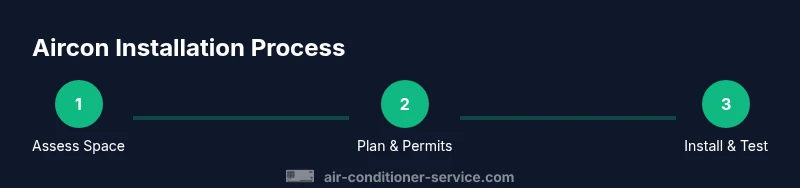
Quick answer: To install an air conditioner near you, hire a licensed HVAC contractor who will assess your space, verify electrical capacity and ducting, obtain any required permits, and securely install the unit with proper insulation and drainage. According to Air Conditioner Service, professional installation protects safety and efficiency. This guide provides a step-by-step approach from planning to post-install checks.
Preparation and Planning for Aircon Installation Near Me
If you’re searching for aircon installation near me, start with a clear plan that aligns with your home’s layout, climate, and budget. A professional evaluation helps you choose the right system (split, ducted, or ductless) and confirms that space, orientation, and drainage will support efficient operation. The Air Conditioner Service team recommends documenting room dimensions, sun exposure, and any existing ductwork before you contact installers. Early planning reduces back-and-forth visits and streamlines permitting and scheduling. By knowing your goals—quiet operation, zone control, or maximizing efficiency—you can guide the installer toward the best solution for comfort and value over time.
Understanding Local Permits and Regulations
Most municipalities require a permit for installing a new air conditioner or performing significant modifications to electrical or refrigerant lines. The process ensures safety, code compliance, and proper disposal of old equipment. Start by checking your city or county building department’s website for permit requirements and inspection timelines. An experienced installer will typically handle permit applications, but you should know what to expect: permit fees, inspection windows, and documentation (equipment specs, electrical diagrams, and refrigerant handling plans). Failing to obtain permits can void warranties and complicate future sales of the home. Air Conditioner Service emphasizes coordinating permits early to prevent project delays.
Choosing the Right System for Your Home
There are several system types to consider, including central split systems, ductless mini-splits, and ducted options. Central split systems provide whole-home cooling with a single outdoor unit, but may require ductwork modifications. Ductless mini-splits offer flexible zoning without ductwork, ideal for older homes or additions. Ducted systems distribute conditioned air through existing or retrofitted ductwork and can be highly efficient when properly designed. The best choice depends on room count, insulation levels, existing ductwork, and your climate. When shopping, look for SEER ratings, warranty terms, and the installer’s ventilation and indoor air quality recommendations. Air Conditioner Service notes that the right system should fit your home’s thermal load and future upgrade plans.
Sizing and Ductwork: What You Need to Know
Accurate sizing matters for comfort and efficiency. An undersized unit struggles to reach setpoints, while an oversized unit cycles on and off too frequently, wasting energy and causing uneven cooling. Professional load calculations consider square footage, window orientation, local climate, insulation, and occupancy. If ductwork exists, it must be sealed and correctly balanced to prevent leaks and pressure drops. For ductless systems, ensure refrigerant line lengths and outdoor unit clearances meet manufacturer specifications. Properly sized ductwork should maintain consistent airflow with minimal static pressure, improving comfort and reducing energy use over time.
Electrical Requirements and Safety
Installing a new air conditioner involves high-voltage equipment and refrigerant lines, so safe electrical work is essential. A licensed installer will confirm circuit capacity, install or upgrade a dedicated circuit, and ensure proper grounding and disconnects. They’ll also verify that electrical panels and wiring are up to current codes, reducing fire risk and tripping hazards. Before work begins, locate the nearest electrical shutoff and communicate any shared circuits. Do not attempt DIY electrical modifications. Investing in professional electrical work protects home safety and preserves equipment warranties.
The Installation Process: What to Expect
A typical installation includes site preparation, equipment placement, refrigerant line routing, electrical connections, and system charge verification. Expect outdoor unit mounting on a stable pad and indoor unit mounting with proper tilt for drainage. The contractor will seal penetrations, check refrigerant connections for leaks, and perform a computerized balance test to optimize airflow. After commissioning, you should receive a set of documentation: model numbers, warranty terms, and maintenance schedules. If you have pets or small children, arrange access control during installation to ensure safety and minimize disruption.
Post-Installation Checks and Maintenance
Once the system is installed, schedule a first startup and system check. The installer should verify airflow balance, thermostat communication, and condensate drainage. Regular maintenance—filter replacement, coil cleaning, and refrigerant leak checks—helps sustain efficiency and comfort. Record-keeping is useful for warranty coverage and future service. As seasonal usage increases, consider a preventive maintenance plan with your installer. Air Conditioner Service recommends staying proactive with an annual check to catch issues before they escalate.
Cost, Scheduling, and Hiring a Local Installer
Costs for aircon installation vary by system type, home layout, and local labor rates. While price is a factor, focus on long-term value: efficiency, warranty coverage, and the installer’s credentials. When scheduling, ask about permit handling, specific equipment models, refrigerant type, and post-install support. Compare multiple bids that itemize equipment, labor, permits, and potential retrofit work. A reputable local installer will provide a transparent timeline, upfront questions about accessibility, and clear communication about any surprises during the job.
Energy Efficiency and Smart Features for New Installations
New installations offer opportunities to enhance energy efficiency through high-SEER components, variable-speed compressors, and smart thermostats. Zoning capabilities allow you to control temperatures by room, improving comfort and reducing wasted energy. Look for energy-efficient features like inverter-driven compressors, energy recovery ventilation, and advanced filtration options to improve indoor air quality. When possible, pair the system with a programmable or Wi-Fi-enabled thermostat to optimize performance based on occupancy and schedule.
Tools & Materials
- Measuring tape(at least 3 meters for room dimensions)
- Level and square(ensure bracket alignment)
- Screwdrivers (Phillips and flat-head)(various sizes)
- Cordless drill with masonry bits(drill holes for mounting bracket)
- Electrical tester/voltage tester(verify circuits and safety)
- Caulk or sealant(seal around penetrations)
- Ductwork materials/adapters(only if reworking ducting)
- Safety gear (gloves, goggles)(protective equipment)
Steps
Estimated time: Total time: 4-8 hours
- 1
Assess space and select system type
Evaluate room count, layout, sun exposure, and existing ducts to decide between central split, ductless mini-split, or ducted alternatives. This step sets the foundation for performance, noise levels, and cost.
Tip: Have room-by-room goals ready (e.g., living room comfort, bedrooms quietness) to guide equipment selection. - 2
Check electrical capacity and circuits
Verify the main service panel can support a dedicated circuit for the air conditioner. Plan wire sizing and breaker placement to meet local code requirements.
Tip: Avoid tying the new unit to overloaded circuits; a dedicated run improves safety and reliability. - 3
Obtain necessary permits and approvals
Submit plans and specifications to the local authority if required. Your installer will typically manage this, but know the process and expected timelines.
Tip: Permits prevent code violations and ensure warranty coverage remains intact. - 4
Prepare installation location
Clear the outdoor pad, ensure drainage away from foundations, and mark the indoor unit mounting site with level and access for service.
Tip: Leave space around units for airflow and service clearance. - 5
Mount outdoor unit and route lines
Secure the outdoor unit on a stable pad, run refrigerant lines, and route electrical cables carefully through walls with proper insulation.
Tip: Use line-set insulation to prevent heat gain and condensation. - 6
Install indoor unit and mount securely
Mount the indoor unit with a slight tilt to promote condensate drainage and connect ductwork or refrigerant lines where applicable.
Tip: Check for level to ensure proper drainage and efficient airflow. - 7
Make electrical connections and test
Connect wiring per the manufacturer’s diagram, seal penetrations, and perform an initial power-on test to look for leaks or abnormal noises.
Tip: Power off before adjusting wiring; verify safety disconnects are accessible. - 8
Charge refrigerant and calibrate
Have the system charged to the manufacturer’s specification and balance airflow across zones. Document the final charge and operating pressures.
Tip: Only qualified technicians should handle refrigerant charging. - 9
Perform final startup and handover
Run advanced diagnostics, confirm thermostat communication, and provide maintenance recommendations and warranty details to the homeowner.
Tip: Ask for a written maintenance plan and a copy of all warranty terms.
Common Questions
Are permits required for installation?
In many areas, installing a new air conditioner or modifying electrical lines requires permits and inspections. Your installer will typically help with this process and explain timelines. Permits ensure compliance and protect your investment.
Permits are often required for air conditioner installs and help ensure safety and code compliance. Your installer can guide you through the process.
How long does installation take?
Installations vary by system type and home layout, but most projects span several hours to a full day. The exact schedule depends on ductwork needs, electrical work, and permitting steps.
Most installs take several hours to a full day, depending on the system and home setup.
Can I install a new AC system myself?
DIY installation is not recommended due to electrical, refrigerant, and safety risks. A licensed professional can ensure proper sizing, leak testing, and code compliance.
No—professional installation is essential for safety and warranty validity.
What’s the difference between split-system and ductless?
Split systems use ducts to distribute conditioned air, while ductless systems deliver cooling directly to individual zones. Ductless often offers more flexibility and zoning but may require more units.
Split uses ducts; ductless can zone rooms independently.
What maintenance should I schedule after installation?
Schedule annual maintenance for filter changes, coil cleaning, and system checks. Regular upkeep sustains efficiency and prolongs equipment life.
Plan yearly maintenance for best performance and longevity.
Watch Video
The Essentials
- Plan early and confirm permits before equipment ordering.
- Choose system type based on home layout and future needs.
- Hire a licensed pro for safety, code compliance, and warranty protection.
- Post-install checks prevent leaks and ensure consistent comfort.