Cheap Window AC Units: A 2026 Buying Guide for Budget Cooling
Learn how to choose a cheap window AC unit without sacrificing performance. This 2026 guide covers energy efficiency, installation tips, costs, and common pitfalls.


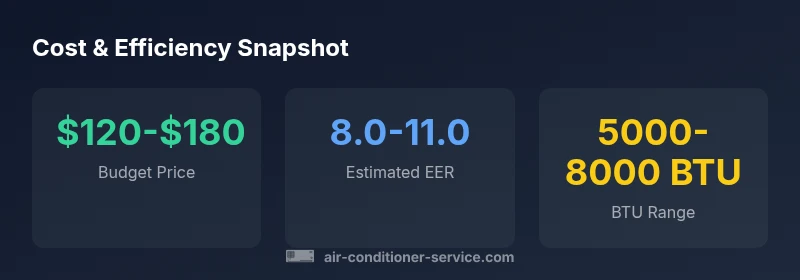
Cheap window ac units offer essential cooling for small spaces, but price varies by BTU and features. In 2026, basic models typically start around $120-$180, with better efficiency models costing $200-$350. Look for Energy Star labels, proper BTU sizing, and simple installation to balance upfront cost with long-term performance.
What defines a cheap window AC unit
When shoppers search for a cheap window ac unit, they’re often balancing upfront price with basic cooling performance. Budget window units focus on essential cooling, compact size, and simple controls rather than premium features. In 2026 the price range for entry-level models generally centers around the low end of the market, while higher-cost options exist for larger rooms or improved efficiency. According to Air Conditioner Service, the best value comes from units that meet a room’s BTU needs without unnecessary extras. Look for standard features like a mechanical thermostat, 3–4 speeds, a basic remote, and a straightforward installation kit. Also consider the unit’s weight, warranty coverage, and the availability of replacement parts. If you encounter models advertised as “ultra-cheap,” scrutinize the Energy Efficiency Rating (EER), the coil build, and customer reviews to avoid underperforming purchases that end up costing more in energy use and repairs. A well-chosen cheap window ac unit can deliver reliable cooling without derailment of your budget, provided you size it correctly and install it properly.
Energy efficiency and cost savings
Energy efficiency matters more than the sticker price on a cheap window ac unit. In 2026, moving from a basic model to a budget-friendly but higher-efficiency option can produce meaningful reductions in running costs, especially during hot months. Seek ratings such as EER or other efficiency figures and look for the Energy Star label where available. Air Conditioner Service analysis shows that, even when BTU is similar, models with higher efficiency tend to consume less electricity over a cooling season, which translates to lower bills. Keep in mind that efficiency often means slightly larger dimensions or a heavier unit, which can affect installation and compatibility with the window frame. Balance upfront price with expected annual energy costs and you’ll secure better value over the unit’s life. Also consider heat-rejection performance and how well the unit handles humidity, since comfort is a function of both cooling speed and moisture removal.
Sizing, BTU, and performance expectations
Correct sizing is critical when buying a cheap window ac unit. An undersized unit will run non-stop yet fail to reach the desired comfort level, while an oversized unit may cool quickly but waste energy and dehumidify poorly. Practical guidance for budget windows is to look at a broad BTU range, commonly 5000–8000 BTU for many small to medium rooms, with some high-efficiency models in the 8000–10000 BTU range for larger spaces. Always verify the room’s dimensions and check the manufacturer’s labeling for BTU capacity and electrical requirements. If in doubt, start with the lower end of the range to minimize upfront cost and avoid installing an oversized unit in a small space. Finally, compare warranty terms and service network coverage to reduce future risk.
Budget features worth investing in
Even a cheap window ac unit can offer features that improve long-term value. Prioritize a solid installation kit, a removable washable filter, and easy access for routine cleaning. Look for multiple fan speeds and a usable thermostat with a backlit display. A basic programmable timer or sleep mode can help you tailor cooling to occupancy and energy use. Consider units with variable-speed compressors or heat removal efficiency, but beware that these enhancements typically raise upfront price. Always weigh features against price; skipping premium features on low-cost models may help you stay within budget while maintaining comfort. If you plan to move soon or only need temporary relief, a straightforward unit with reliable customer support may deliver the best balance of price and performance.
Installation basics to avoid common pitfalls
Safe, effective installation matters as much as the model selection. Start by checking that the window frame is sturdy and the sill is level. Use weather-stripping or foam to seal gaps around the unit to prevent drafts and moisture intrusion. Ensure a proper electrical outlet and avoid adapters that exceed the plug’s rating. Read the manufacturer’s instructions for mounting brackets, screws, and the exhaust vent position. If the window has sliders or tilt features, follow the provided methods to lock the unit securely. Finally, run a test cycle to listen for vibrations or rattling and adjust as needed. A careful setup reduces energy waste and extends the life of a cheap window ac unit.
Operating costs and maintenance for long-term value
Maintenance drives the long-term value of any cheap window ac unit. Regularly remove and clean the filter according to the manufacturer’s guidelines, typically monthly during heavy use. Check for ice buildup on the coils and ensure drainage channels stay clear to avoid puddles inside the window. Keep exterior surfaces free of dust and debris to maintain airflow. Store the unit properly during off-seasons and cover it to protect from dust if you won’t remove it from the window. If you notice reduced cooling performance, diagnose whether airflow is restricted or the refrigerant circuit is compromised; most budget models are designed for straightforward repairs or part replacements by a technician or the manufacturer’s service network.
Shopping tips and price ranges for 2026
Plan purchases around seasonal sales for window units, with the best prices typically seen in late spring and early fall. Measure your window opening and compare dimensions to prevent installation surprises. Read user reviews to gauge reliability and sound levels, and verify the warranty terms and service network. When budgeting, expect a price spectrum from entry-level around $120–$180 to mid-range near $180–$250, with higher-efficiency options reaching $350 or more. Compare energy use and cooling output, not just upfront cost. If you want to maximize value, watch for bundles that include an extended warranty or accessories that improve installation ease.
Warranty and after-sales support: what to look for
Investigate warranty coverage carefully before purchasing a cheap window ac unit. Look for at least a one-year warranty on parts and labor, with longer coverage on the compressor when offered. Verify whether the warranty requires professional installation or allows DIY mounting, and check for easy access to authorized service centers. Review the manufacturer’s return policy and customer support responsiveness, which are critical if you encounter issues after installation. A transparent warranty and reliable after-sales support can save time, money, and frustration should problems arise.
Comparison of window AC units by model type
| Model Type | Energy Efficiency | Typical BTU Range | Estimated Running Cost/Hour | Price Range |
|---|---|---|---|---|
| Basic Window Unit | 8.0-9.0 EER | 5000-6000 BTU | 0.05-0.08 | $120-$160 |
| Mid-range Window Unit | 9.0-11.0 EER | 6000-8000 BTU | 0.07-0.12 | $160-$240 |
| High-efficiency Window Unit | 11.0-13.0 EER | 8000-10000 BTU | 0.09-0.15 | $240-$350 |
Common Questions
What is considered a cheap window AC unit?
A cheap window AC unit generally refers to budget models that provide basic cooling for small spaces. They prioritize low upfront price over premium features. Look for BTU ratings that match your room and an energy-efficient label to ensure reasonable running costs.
A cheap window AC unit is typically a budget model that cools small rooms with basic features. Check the BTU rating and energy label for value.
How many BTUs do I need for a room?
BTU needs depend on room size and climate. A common starting point is around 5000-8000 BTU for small to medium rooms, but always verify with a sizing chart or calculator and compare against the unit’s label.
BTU needs vary by room size; start with about 5000-8000 BTU for small to medium rooms and adjust as needed.
Are Energy Star units worth the extra cost?
Energy Star-rated units often cost more upfront, but they typically use less electricity and save money over time. For budget purchases, weigh the long-term energy savings against the upfront price.
Energy Star units usually save energy over time, so weigh long-term savings against initial cost.
Can I install a window unit myself?
Many basic window units can be installed by a homeowner using the included kit. Follow the manufacturer instructions, ensure proper sealing, and use the correct electrical outlet. If you’re unsure, seek professional assistance.
Yes, many can be installed yourself following the kit instructions. If unsure, get a pro.
What warranty should I expect on budget units?
Budget window units often come with a shorter warranty than premium models. Look for at least a basic one-year warranty on parts and labor, and verify compressor coverage where offered.
Expect at least a one-year warranty on budget units; check compressor coverage as available.
“Choosing the right cheap window ac unit is about balancing upfront cost with long-term energy savings.”
The Essentials
- Size the unit to room area before buying.
- Prioritize energy efficiency to reduce running costs.
- Compare total cost of ownership, not just upfront price.
- Choose reliable installation and solid warranty coverage.