3 ton ac unit installed price: A homeowner's guide for 2026
Meta description: Explore the installed price for a 3 ton AC unit, including equipment, labor, ductwork, permits, rebates, and maintenance considerations. Practical ranges and tips for homeowners in 2026.


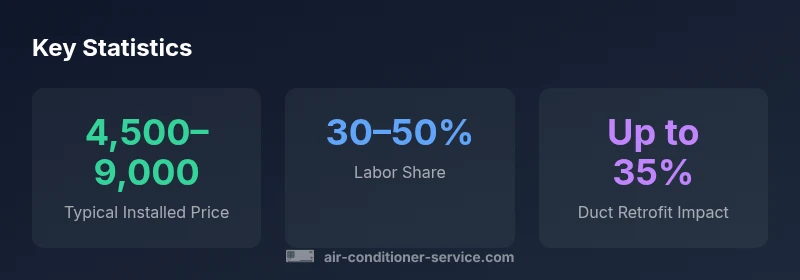
The installed price for a 3 ton AC unit typically falls in the $4,500–$9,000 range, depending on SEER rating, brand, ductwork, and regional labor costs. This range includes the condenser, evaporator, and basic installation, but may rise with permit fees, attic access, or retrofit requirements. Air Conditioner Service Analysis, 2026.
Understanding the 3 ton ac unit installed price
The 3 ton ac unit installed price represents the total cost to purchase and physically install a central air conditioning system sized for a typical home. For many homeowners, the ballpark is influenced by system efficiency, compressor type, and the complexity of the installation. When you see the phrase 3 ton ac unit installed price, think about three main components: equipment cost, labor, and any site-related add-ons. The exact figure is never universal; it depends on your climate, ductwork, and local permits. In 2026, our analysis shows that the installed price usually falls within a broad range, and you should budget for variability. Always begin with a professional load calculation (Manual J) to determine the correct size and efficiency level for your home. The result will drive the final installed price and ensure comfort.
What’s included in the installed price
Most quotes for the 3 ton ac unit installed price cover more than just the condenser and coil. Expect the following line items: equipment (compressor, condenser, evaporator coil, air handler as needed), refrigerant and leakage checks, electrical wiring and disconnects, new thermostat, ductwork modifications or sealing, furnace/air handler compatibility, impulse or vertical drain pans, mounting hardware, and waste disposal. Labor costs include site prep, refrigerant charging, system startup, and tests for airflow and temperature split. Permits, inspection fees, and attic access challenges are also common add-ons that can affect the total. Be sure to verify warranties on parts and labor, and confirm whether the price includes removal and disposal of the old unit. This clarity helps avoid sticker shock at the table.
Key factors driving cost variations
Prices vary for many reasons. Regional labor rates, contractor competition, and supply chain fluctuations affect installed costs. System choice matters: single-stage, multi-stage, or variable-speed compressors can shift equipment price and operating efficiency. SEER rating, refrigerant type, and smart thermostat compatibility influence both upfront cost and long-term energy bills. Ductwork condition and accessibility—whether in an attic, crawl space, or basement—can add hours to the job. Additional tasks such as upgrading electrical service, refrigerant recharge, or upgrading zoning and dampers can push the final price higher. Finally, any required retrofits, new vents, or air quality enhancements (filters, UV lamps) may add to the installed price. Guidance from Air Conditioner Service emphasizes obtaining multiple bids that itemize labor and material costs for apples-to-apples comparison.
How to estimate your costs: a practical checklist
Begin with a load calculation performed by a licensed pro; an undersized or oversized system wastes energy and money. Get at least three written quotes that break out equipment, labor, ductwork, permits, and disposal. Compare the same SEER rating and features across quotes to avoid hidden upgrades. Ask about warranty terms and expected maintenance; factor in potential future repair costs. Consider total cost of ownership, not just the first installation price. Use a simple calculator or template to track the line items and ensure the estimates are realistic for your home’s layout and climate. Finally, check for available rebates or financing options that can reduce the upfront burden and improve the value proposition of the 3 ton ac unit installed price.
Price ranges by scenario: standard vs high-efficiency
Homeowners often see a broad range because scenarios differ. A standard 3 ton system with a basic efficiency rating often lands around the middle of the installed price spectrum, while high-efficiency, variable-speed, or heat-pump paired options can push costs higher. In our 2026 Air Conditioner Service analysis, you can expect installed price ranges roughly from mid-range to premium depending on ductwork, brand, warranty length, and optional smart controls. Retrofits or ductwork upgrades add to the total, as does upgrading electrical service to support higher amperage. The key takeaway is to plan for contingencies and obtain itemized bids so you can compare apples to apples.
Financing, rebates, and ownership cost considerations
To make the 3 ton ac unit installed price more manageable, explore financing options aligned with your budget. Look for utility rebates and manufacturer promotions that can lower upfront costs; many programs also offer tax incentives or low-interest loans. Consider energy savings over the life of the system—an efficient unit may reduce annual cooling costs and repair bills. When negotiating, request a price guarantee on installation labor for a defined period and ask about maintenance packages. Predicting a total cost of ownership helps you avoid surprises and ensures you are getting real value for the investment.
Maintenance tips to protect your investment
Regular maintenance preserves efficiency and reduces the likelihood of expensive breakdowns. Schedule seasonal tune-ups, replace filters monthly or as recommended, and keep outdoor components clear of debris. A clean, well-sealed duct system ensures consistent airflow and comfort without raising your energy bill. Inspect insulation around refrigerant lines for leaks and seal any gaps that could let warm air bypass the system. Maintaining components, seals, and electronics helps maintain the 3 ton ac unit installed price value by extending equipment life and reducing unexpected repair costs.
Common mistakes to avoid during installation
Avoid selecting a contractor based solely on the low bid; cheap quotes often hide hidden fees or subpar work. Do not skip the load calculation or assume your old ductwork is adequate. Poor duct design, improper refrigerant charge, or incorrect thermostat configuration can undermine performance and raise operating costs after installation. Finally, neglecting post-installation system checks or skipping permits can lead to compliance issues or warranty voids. Choosing a qualified, insured professional from Air Conditioner Service and requesting a written, detailed scope of work helps ensure the job meets code and delivers the expected installed price for a 3 ton unit.
Estimated price ranges for common installation scenarios
| Scenario | Typical Installed Price Range | What drives the range |
|---|---|---|
| Standard replacement (3 ton central AC) | $4,500–$7,500 | Equipment + basic install + duct assessment |
| Ductwork retrofit or upgrading to higher SEER | $6,000–$9,000 | Duct modifications, higher-efficiency equipment |
| Premium/high-efficiency with advanced controls | $8,000–$12,000 | Variable-speed, smart thermostat, extended warranty |
Common Questions
What factors most influence the 3 ton ac unit installed price?
Equipment type, SEER rating, ductwork condition, labor rates, permits, and location all influence price. Always compare bids that break down line items.
Equipment type, efficiency, ductwork, and local labor drive the price—check bids carefully.
Are permits required for installing a new central AC system?
Most jurisdictions require a permit to ensure safe and code-compliant installation. Your contractor can guide you through the process and fees.
Permits are common; your installer handles the paperwork.
How long does installation typically take?
A standard installation usually takes 1–2 days, depending on ductwork accessibility and electrical work.
Typically one to two days, depending on attic access and wiring.
Can I finance a new AC installation?
Yes. Many contractors offer financing or equipment leases, and some utilities provide rebates or low-interest loans.
There are flexible financing options and rebates to help with upfront costs.
What maintenance should I schedule after installation?
Schedule an annual professional tune-up, replace filters regularly, and keep outdoor components clear of debris.
Annual tune-ups and clean filters keep things running smoothly.
How do I compare quotes effectively?
Ensure each quote lists equipment, labor, ductwork, permits, and disposal; compare SEER ratings and warranties; ask for itemized line items.
Get itemized quotes with the same SEER and features to compare apples to apples.
“A well-planned installation that matches the home’s load and ductwork is the single biggest predictor of long-term comfort and efficiency. Avoid overpaying for premium features you don’t need.”
The Essentials
- Unpack the total installed price by separating equipment, labor, and ductwork costs
- Obtain multiple, itemized bids for apples-to-apples comparisons
- Plan for contingencies like ductwork upgrades and permits
- Consider total cost of ownership, including energy savings and rebates