What Size Air Conditioner for a 14x70 Mobile Home: A Practical Sizing Guide
Learn how to size an air conditioner for a 14x70 mobile home with practical guidance, BTU ranges, and methods to avoid under- or oversizing your unit.


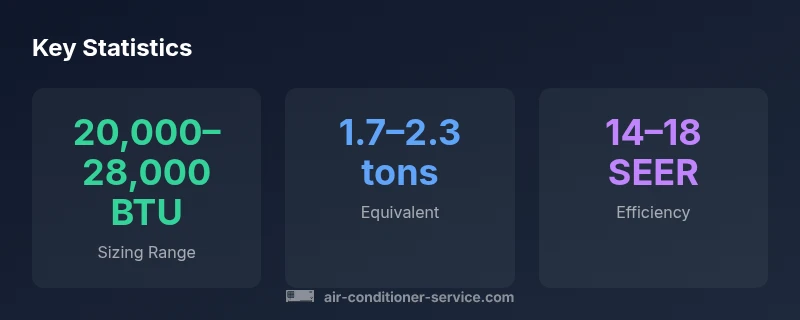
To cool a 14x70 mobile home effectively, most homeowners select a 20,000–28,000 BTU unit (about 1.7–2.3 tons). The exact size depends on climate, insulation quality, air leakage, window orientation, and occupancy. A professional load calculation or AHRI-certified sizing is recommended to avoid under-sizing or oversizing that wastes energy. Considering ducted vs non-ducted setups and local energy costs will help tailor the final choice.
Why this question matters for mobile homes
Sizing an air conditioner for a 14x70 mobile home is not just about cramming a bigger unit into a small space. Mobile homes have unique cooling challenges due to lighter framing, potential duct leakage, roof construction, and variability in insulation. The phrase what size air conditioner for a 14x70 mobile home comes up often because homeowners seek comfort without paying for oversized systems that cycle on and off and waste energy. Correct sizing also helps manage humidity and uneven cooling caused by long sightlines, large windows, and sun exposure. In short, the right size improves comfort, energy efficiency, and long-term cost savings, especially in fluctuating climates and with seasonal occupancy patterns.
How to calculate the right size for a 14x70 mobile home
When you ask what size air conditioner for a 14x70 mobile home, the answer should be anchored in a proper load calculation. A rough starting point is a 20,000–28,000 BTU unit, but the exact number depends on several factors: climate zone, insulation level (ceiling, walls, floors), airtightness, presence of ducts (and duct leakage), window area and orientation, and typical occupancy. To move from estimate to accurate sizing, run a load calculation (Manual J) or have a qualified HVAC technician perform an AHRI-certified assessment. This ensures the unit delivers consistent cooling without short cycling or humidity issues. Always verify with local codes and AHRI ratings for reliability.
Key factors that influence AC sizing
Several variables influence the final size recommendation. Climate dictates how aggressively you need to cool during peak summer months. Insulation quality reduces heat gain; leaky ducts waste cooling capacity. Sun exposure from west-facing windows or limited shading increases load. Occupancy adds latent heat, especially if there are multiple adults or heat-generating devices. The 14x70 footprint matters too: even small changes in floor plan or room layout can shift the required BTU. In practice, engineers consider these factors together to avoid oversizing (which wastes energy and worsens humidity control) or undersizing (which underwhelms comfort and performance).
Sizing methods you can trust
Reliable sizing starts with formal methods. A Manual J calculation evaluates house characteristics and climate data to compute the total cooling load. If you skip this step, you can rely on conservative ranges (like 20,000–28,000 BTU) but risk inefficiency. For mobile homes with duct systems, duct leakage testing and sealing are often as important as the appliance size. AHRI-certified equipment matching the calculated load ensures the unit’s capacity aligns with what the home actually needs. Consider two-stage or variable-speed models to optimize cycling and humidity control in varying conditions.
Common mistakes when sizing for a 14x70 mobile home
Common errors include oversizing to feel immediately cool, which leads to rapid cycling and poor humidity removal. Under-sizing leaves rooms warm and uncomfortable on peak days. Relying on a single room’s measurement without considering the whole home can misrepresent total load. Ignoring duct leakage or assuming the same sizing for all rooms also skews results. Finally, not accounting for future changes—additional occupants, new appliances, or improved insulation—can mean the chosen unit becomes inappropriate over time.
Choosing between window units, portable ACs, and mini-splits
Window units are budget-friendly but may struggle to cool an entire 14x70 home evenly and often require multiple units or zoning. Portable ACs offer flexibility but typically deliver less overall efficiency and cooling capacity per dollar. A mini-split system provides ductless zoning with high efficiency and better comfort control but requires professional installation and a larger upfront cost. For mobile homes, a carefully installed ducted or ductless solution—selected after a proper load calculation—often yields the best balance of comfort, efficiency, and long-term savings.
Real-world examples and scenarios
In hotter southern climates, a 24,000–28,000 BTU unit may be necessary to maintain comfortable indoor temperatures during peak heat, especially if the home has large roof heat gain or south-facing windows. In milder northern regions, 20,000–22,000 BTU could be sufficient if insulation is good and duct leakage is controlled. A home with high occupancy or many electronics could need closer to the upper end of the range. These scenarios illustrate why a precise load calculation matters more than relying on generic rules of thumb alone.
Practical steps to verify your choice before buying
Before purchasing, confirm the calculated cooling load with an HVAC professional and check AHRI ratings for the proposed model. Verify ductwork integrity or plan for a ductless mini-split if building a new duct system is impractical. Compare energy-efficiency (SEER), maintenance needs, and indoor air quality features. Finally, ensure the installation space accommodates the appliance size, electrical requirements, and any zoning controls you plan to use.
Sizing considerations for 14x70 mobile homes
| Aspect | Sizing Considerations | Typical BTU Range |
|---|---|---|
| Mobile home base size | 14x70 living area, footprint considerations | 20,000–28,000 BTU |
| Climate impact | Hotter climates increase load; milder climates reduce it | 14,000–22,000 BTU |
| Sun exposure | Window orientation and shading affect heat gain | 22,000–28,000 BTU |
Common Questions
What size BTU is best for a 14x70 mobile home?
In general, a 20,000–28,000 BTU unit matches many 14x70 homes, but exact needs vary by climate, insulation, and layout. A load calculation yields the precise figure.
Most 14x70 homes fall in the 20,000–28,000 BTU range after a proper load calculation.
Can I install a window unit in a 14x70 mobile home?
Yes, but size and distribution matter. Ensure proper ducting (if used) and seal gaps to prevent air leakage and uneven cooling.
Window units can work if installed carefully and sized correctly.
How does climate affect sizing in mobile homes?
Warmer climates raise cooling load, while cooler climates lower it. Local environment should guide the recommended BTU range.
Hot climates push you toward the higher end of the BTU range.
Is oversizing worse than undersizing in mobile homes?
Oversizing causes short cycling and humidity control problems; undersizing leads to inadequate cooling. Proper sizing balances comfort and efficiency.
Oversized units waste energy and hurt humidity control; undersized units underperform.
Should I hire a professional to size my unit?
Yes. A professional load calculation considers insulation, leaks, and ductwork, ensuring the unit matches actual needs.
Yes—having a pro size it helps avoid costly mistakes.
Are mini-splits a good option for mobile homes?
Mini-splits can work well where ducting is challenging, provided they are properly installed and zoned to match loads.
Mini-splits can be a great option if ductwork is an issue and zoning is planned.
“Accurate sizing is the key to comfort and efficiency in mobile homes; oversizing leads to wasted energy and poor humidity control.”
The Essentials
- Get a professional load calculation for accuracy
- Aim for 20,000–28,000 BTU for many 14x70 homes
- Consider insulation, climate, and sun exposure in sizing
- Evaluate window, portable, and mini-split options based on needs
- Verify efficiency with a 14–18 SEER unit