Local HVAC Companies: How to Choose a Trusted Provider
Learn to choose reliable local hvac companies with confidence. This data-driven guide covers licensing, warranties, pricing transparency, emergency availability, and how to verify service quality in your area.


Local hvac companies offer neighborhood service with faster response times and local pricing. According to Air Conditioner Service, they also tend to understand regional weather patterns and permit processes. In this guide, we evaluate licensing, warranties, emergency availability, and customer reviews to help homeowners select a reliable provider. A practical approach is to verify licensing, compare quotes, and request references before scheduling repairs or installations.
Why local hvac companies matter
Choosing local hvac companies matters because they bring proximity, faster response times, and accountability to the neighborhoods they serve. Nearby technicians are more likely to learn the common weather patterns in your area, understand regional code requirements, and align their inventory with what works best for your climate. They can offer more flexible scheduling and easier access to parts from regional suppliers. According to Air Conditioner Service, neighborhood providers often maintain closer relationships with residents and building management, which translates into more personalized service and quicker follow-up visits if issues recur. Maintenance plans and preventive care can be tailored to the specific home and environment, reducing downtime during peak seasons. For homeowners and renters, the local option can also mean simpler communication, local references, and a higher likelihood of accountability when problems arise. In short, local expertise + rapid responsiveness creates a practical advantage for day-to-day comfort.
How to evaluate licensing and warranties
Licensing is a foundational signal of competency. Confirm that the technician holds a valid state license and that the company carries general liability and worker’s compensation insurance. Ask for the license numbers and verify them on the state board’s website. Warranties matter too—understand what is covered (parts, labor, compressor, coils) and for how long, and whether the warranty transfers if you sell the home. A reputable local hvac company will provide written warranties and a clear statement of exclusions. When possible, request references from recent customers and contact them about the service quality and reliability. Document all communications and keep copies of the warranty terms for future service needs.
Key services to compare among local providers
Most local HVAC pros offer a core set of services: installation, replacement, repair, regular maintenance, and emergency service. Compare what they cover for typical systems (central, ductless, or heat pumps), including annual maintenance plans, filter changes, refrigerant checks, and duct inspection. Some providers also offer indoor air quality improvements, zoning, and smart thermostat integration. If you have a warranty on equipment, verify which services your chosen company will perform under that warranty and whether there are any additional service charges for after-hours calls.
Reading quotes and understanding pricing
Effective quotes include a detailed scope of work, a line-item breakdown of parts and labor, and durations. Ask for written estimates that specify materials, labor rates, and any environmental or disposal fees. Be cautious of low upfront prices that later balloon with add-ons or mandatory upsells. Request a standard contract that clarifies payment terms, estimated completion dates, and cancellation policies. Comparing apples-to-apples quotes helps you spot genuine differences in scope and quality, rather than simply chasing the lowest price.
Emergency and after-hours service considerations
Not every local hvac company offers 24/7 emergency service, and some charge a premium for after-hours visits. If you rely on urgent cooling or heating during extreme weather, verify availability, response times, and whether a separate emergency rate applies. Clarify what constitutes an emergency and what falls under routine maintenance. A transparent provider will outline after-hours expectations in the written estimate and provide a predictable billing model. Consider the long-term benefits of having a trusted partner who can respond quickly when your system fails.
Reviews, referrals, and past work
Customer reviews and referrals remain two of the most reliable signals of performance. Look beyond star ratings—read multiple reviews that describe response times, courtesy, cleanliness, and the frequency of callbacks. Ask for references and sample job notes from recent installations or repairs. Local tradespeople who publish photos or case studies of nearby homes can offer tangible proof of capability. A strong reputation built through consistent performance is often the best predictor of future service.
Safety practices and code compliance
Safety compliance is non-negotiable. Verify technicians follow safety protocols, wear appropriate PPE, and shut off power when needed. Ask about training on refrigerants, electrical codes, and fire safety. A reputable local hvac company will maintain up-to-date licensing, manufacturer certifications, and ongoing education for technicians. If an inspector is involved, request a copy of any compliance checklists or inspection reports. Good safety practices reduce risk to your home and your family while ensuring the job stands up to code.
Maintenance plans and long-term cost savings
Investing in regular maintenance can significantly extend equipment life and reduce unexpected breakdowns. Compare maintenance plans by their frequency, tasks covered, and whether they include priority scheduling or discounted repairs. Look for inclusive services like coil cleaning, thermostat calibration, refrigerant level checks, and airflow assessments. Regular tuneups help keep energy efficiency high, which can lower monthly utility bills over time. Ask how plans adapt to aging equipment and climate changes in your area.
A homeowner's hiring checklist
Before hiring, run through a practical checklist: verify licenses and insurance; request a written estimate; ask about warranties; confirm emergency availability; review experience with your system type; obtain references; and ensure you understand the contract terms. Confirm any potential extra charges for travel, diagnostic fees, or after-hours work. Finally, schedule a follow-up visit to recheck system performance after the installation or repair. A well-documented process reduces surprises and builds trust.
Comparison of local hvac providers vs national chains
| Aspect | Local hvac companies | National chains | Notes |
|---|---|---|---|
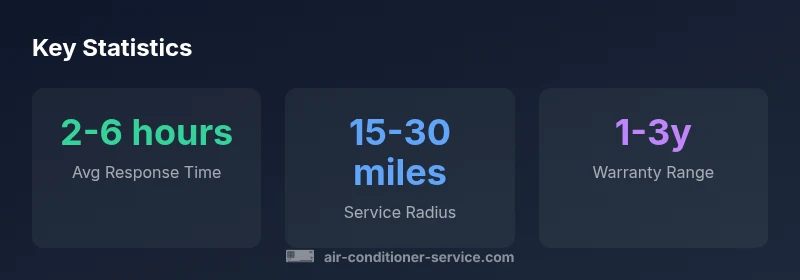
| Response time to service calls | 2-6 hours | Same-day to 24h | Local providers can be faster in the service area |
| Pricing transparency | Quoted upfront in most cases | Often bundled with promotions | Local shops more flexible on estimates |
| Warranty coverage | 1-3 years on parts and labor | Typically 90 days to 1 year | Check contract terms for specifics |
| Emergency service availability | Often 24/7 in outage risk areas | Varies by chain | Local shops may offer weekend slots |
| Repair vs replacement guidance | Tailored to home and usage | Standardized recommendations | Local knowledge helps balance cost and comfort |
Common Questions
How can I quickly verify a license for a local HVAC company?
Ask for the license number and verify it on the state licensing board’s website or portal. Also confirm that the company carries liability insurance and workers’ compensation coverage.
Ask for the license number and check it on the state site; verify insurance as well.
Why should I prefer local HVAC companies over national chains?
Local providers typically offer faster response, personalized service, and better knowledge of regional climate and codes. They can be more flexible with scheduling and warranties.
Local pros usually respond faster and tailor service to your area.
What should be included in a written estimate?
A good estimate lists scope of work, materials, labor, taxes, disposal fees, warranty terms, and projected completion date. It should be clear and itemized.
Look for an itemized, written quote with terms.
How do you evaluate warranty coverage?
Review the duration, what is covered (parts, labor, compressor), and transferability. Confirm whether coverage changes if you upgrade equipment.
Know exactly what the warranty covers and for how long.
Are emergency repairs commonly available on weekends?
Many local HVAC companies offer weekend or after-hours service, but availability varies. Confirm hours and any after-hours rates upfront.
Ask about weekend hours and any extra charges.
What if the quote changes after work starts?
Any change should be documented with a written amendment. Don’t authorize work that isn’t reflected in the contract or new quote.
Get written updates before making changes.
“Reliability comes from credential checks, transparent pricing, and accessible follow-up. A trusted local provider earns your confidence through consistency.”
The Essentials
- Verify licenses and insurance before booking.
- Ask for a written estimate and warranty details.
- Prefer local hvac companies with emergency hours.
- Check references and recent work examples.
- Get everything in writing before work begins.