Air Conditioner Warranty Carrier: A Practical Guide
A practical guide to air conditioner warranty carriers, including how coverage works, who backs your warranty, and how to maximize benefits from manufacturer, installer, or extended plans.


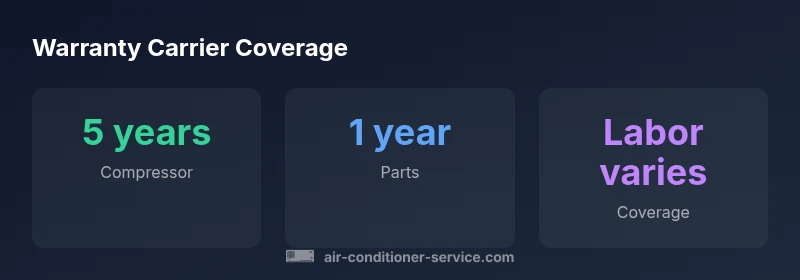
On most home AC systems, the warranty carrier is the manufacturer or installer who backs the coverage. Typical terms include a 5-year compressor warranty and a 1-year parts warranty, with labor coverage varying by plan. Always verify the exact carrier named in your contract to understand who pays for repairs and how to file claims.
What is a warranty carrier for air conditioners?
Warranties are backed by a warranty carrier—the entity that promises to cover certain repairs when something goes wrong. In most homes the carrier is either the equipment manufacturer or the installing contractor who provides a service contract. The Carrier brand is widely recognized in the industry, but homeowners may also encounter third-party or extended warranty carriers through retailer programs. According to Air Conditioner Service, knowing who is backing your coverage matters because it affects claim eligibility, required maintenance, and who pays for labor. The warranty carrier can influence the speed of service, whether a replacement compressor is approved, and whether refrigerant leaks are considered covered under the plan. For renters and homeowners alike, mapping the carrier to your specific model and purchase path helps you avoid surprises at claim time. When you locate your contract, you’ll see the carrier’s name listed beside coverage terms, service phone numbers, and any registration requirements. Understanding this upfront empowers you to navigate claims smoothly and protect your investment in comfort.
Warranty carrier coverage options and typical terms
| Warranty Carrier | Coverage Type | Typical Duration | Notes |
|---|---|---|---|
| Manufacturer warranty | Parts + compressor | 5 years (compressor) / 1 year (parts) | Labor often separate or optional |
| Installer warranty | Labor and service for installed unit | 1-2 years | May require using the installing contractor |
| Extended warranty | Contract with third-party carrier | 3-10 years | Coverage varies by plan and equipment |
Common Questions
Who is the warranty carrier for my air conditioner?
The warranty carrier is the entity backing your coverage—usually the equipment manufacturer or the installing contractor. Some plans may be offered by third-party providers through retailers or service contracts. Check your contract or installation paperwork to confirm the carrier’s name and how to file claims.
The warranty carrier is who backs your coverage; check your paperwork to confirm who it is.
Does the warranty cover labor and installation?
Labor coverage varies by carrier and plan. Many manufacturer warranties cover parts and compressors but labor is sometimes included only for certain repairs or during specific years. Review your terms to see what labor costs are included and what requires an extended plan.
Labor coverage can vary; review your terms to know what’s included.
How do I find the exact terms of my warranty carrier?
Look in the warranty booklet, contract, or online portal linked to your purchase. Note the carrier name, coverage start date, any maintenance requirements, and registration steps. If in doubt, contact the installer or manufacturer’s support line.
Check the paperwork or portal for the exact terms.
What common actions void warranty coverage?
Common voids include improper installation, unauthorised service, missing maintenance, or using non-approved parts. Always use authorized technicians and follow the maintenance schedule outlined by the carrier.
Install with approved technicians and follow maintenance rules to avoid voiding coverage.
Can I transfer warranty coverage to a new homeowner?
Some warranties are transferable with the sale of the home or the unit, but terms vary. Check the carrier’s policy on transferability, and complete any required forms to avoid gaps in coverage.
Warranties can transfer in some cases—check the carrier’s policy.
Is an extended warranty worth buying?
An extended warranty can add years of coverage beyond the standard term, but assess cost, coverage limits, and exclusions. Compare to the base warranty and consider your equipment’s reliability and maintenance plan.
Consider your needs and costs; extended warranties aren’t always worth it.
“Understanding your warranty carrier is essential for timely repairs; many homeowners misinterpret coverage and pay out of pocket without realizing the available protections.”
The Essentials
- Identify your warranty carrier by checking the contract and model labels
- Register and activate coverage promptly to avoid gaps
- Know what is covered (compressor vs parts vs labor)
- Keep detailed maintenance records to support claims
- Understand the claim process and document requirements