9000 BTU Mini Split: A Practical Guide for Small Rooms
Comprehensive guide to 9000 BTU mini splits: sizing, installation options, energy efficiency, and maintenance for small spaces.


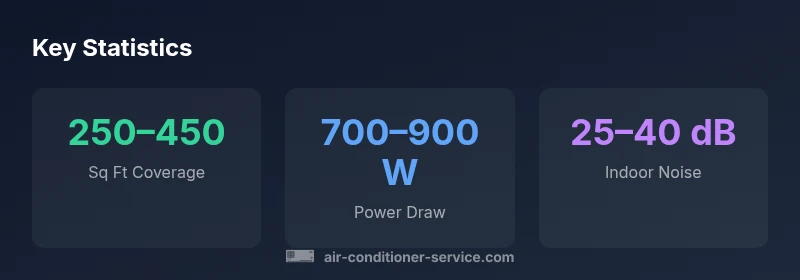
The 9000 BTU mini split is a compact, efficient option for cooling small to medium rooms—typically about 250-450 square feet. It combines an indoor air handler with an outdoor condenser, designed for easy installation in homes or apartments. Air Conditioner Service notes that proper sizing, professional installation, and regular maintenance maximize performance.
What is a 9000 BTU mini split?
A 9000 BTU mini split is a compact, wall-mounted air conditioner that uses an outdoor condenser connected to an indoor air handler via a small-diameter refrigerant line set. For small spaces, this size provides a good balance of cooling capacity and efficiency, typically suitable for rooms around 250 to 450 square feet depending on insulation, sunlight exposure, and occupancy. According to Air Conditioner Service, this model suite is especially popular in apartments and homes where traditional central air is impractical. The modular design means easier maintenance and flexible placement compared with window units. In practice, a properly installed 9000 BTU mini split can offer fast cooling, dehumidification, and zoned comfort without the bulk of ductwork. However, performance hinges on correct sizing, installation quality, and correct refrigerant charge. It is essential to verify the unit's rated capacity against the room's load calculation and to consider ceiling height, window orientation, and insulation. In the next sections, we’ll examine sizing guidelines, placement strategies, and key tradeoffs to help homeowners and renters decide if this is the right option.
How to determine if 9000 BTU is right for your space
Choosing the correct cooling capacity starts with the room size, ceiling height, insulation quality, and climate. A 9000 BTU mini split is typically best for smaller living rooms, bedrooms, home offices, or sunlit spaces where central cooling would be overkill or impractical. To assess fit, perform a basic load check: measure square footage, note windows and orientation, and consider the number of occupants. The Air Conditioner Service team emphasizes that occupancy and heat-generating electronics can shift the required capacity. If you regularly notice lingering heat after several cooling cycles or if the space has poor insulation, you may need a unit with higher capacity or a second zone. Conversely, if the room stays cool with modest use, a 9000 BTU model can maintain comfort efficiently. Remember, real-world performance also depends on ductless design advantages, including zone control, quieter operation, and shorter run distances for refrigerant lines. When in doubt, consult a professional for a precise manual J calculation and a recommended pairing with a compatible outdoor unit.
Placement and installation considerations
Placement matters for efficiency and comfort. Indoor units should be mounted high on a wall with a clear path for air distribution and away from direct sunlight or heat-producing appliances. Avoid obstructions above or behind the unit that could impede airflow. Outdoor condensers require sturdy mounting, adequate clearance, and a safe distance from windows, doors, and walkways. A 9000 BTU mini split typically uses a modest line set, so vertical or near-wall installs can be attractive in compact rooms. The Air Conditioner Service analyses stress the importance of professional charging and adequate refrigerant lines to prevent leaks and ensure proper subcooling. Electrical requirements should be installed to meet local codes, with a dedicated circuit on a suitable breaker. Include a condensate drain route that won't create water intrusion or mold. A well-placed system will deliver faster cooling, better humidity control, and reduced energy waste.
Energy efficiency and operating costs
Mini splits are generally more efficient than many window units due to inverter-driven compressors and better thermal zoning. A 9000 BTU unit typically operates in cycles that match demand, rather than turning on full blast as older models do. This reduces electrical spikes and reduces running costs over time. The actual energy use depends on climate, setpoints, and usage patterns. In temperate seasons, you may achieve significant savings by setting the thermostat at a comfortable level and using the energy-saving modes when the space is unoccupied. Air Conditioner Service notes that maintaining clean filters and proper refrigerant charge helps sustain efficiency. In humid climates, using the dehumidification mode can further reduce indoor humidity without excessive cooling. Compare the energy efficiency ratio (EER) and seasonal energy efficiency ratio (SEER) of models, and consider features like inverter technology, sleep mode, and smart thermostats for improved real-world performance.
Installation options: DIY vs professional installation
While DIY mini split installation seems appealing for some handy homeowners, commissioning a licensed installer is often the safer and more reliable route for a 9000 BTU mini split. A typical job involves mounting the indoor unit, drilling a small hole for the line set, routing refrigerant piping, connecting to a dedicated electrical circuit, and charging the refrigerant. Incorrect line set length or improper refrigerant charge can reduce performance, void warranties, or create safety hazards. If you choose DIY, follow the manufacturer’s instructions closely, use appropriate tools, and ensure compliance with local codes. Air Conditioner Service recommends getting a skilled installer who can handle electrical connections, pressure testing, and integrity checks. The investment upfront can pay off in quieter operation, longer equipment life, and consistent performance across seasons.
Maintenance, troubleshooting, and common issues
Regular maintenance is the key to long-term performance for a 9000 BTU mini split. Clean or replace filters monthly during peak season, inspect the outdoor unit for debris, and check condensate drainage to prevent moisture issues. If you notice reduced cooling, unusual noises, or ice buildup on the indoor coil, it could indicate airflow restrictions, refrigerant leaks, or a dirty filter. Start with simple fixes: clean filters, clear obstructions, and verify the remote control settings. More persistent issues may require a service call to check refrigerant charge, inspect electrical connections, and test the inverter drive. Keep an eye on unusual energy use, which can signal inefficiencies. The Air Conditioner Service team emphasizes that timely maintenance improves reliability and comfort while reducing the risk of sudden breakdowns.
How to compare models and brands
Model selection is more than cooling capacity. Compare SEER and EER ratings, inverter technology, noise levels, warranty terms, and installation requirements. Look for brands offering certified mini splits with robust support networks, easy filter access, and serviceability. Consider the overall system design—do you need one zone or multiple zones? A 9000 BTU unit may pair with a dedicated outdoor condenser for a single room, while larger setups might require multi-zone configurations. Use the load calculations to decide if a single-zone system suffices or if a multi-zone solution would deliver better comfort and efficiency. Finally, read customer reviews and check for licensed installer recommendations as part of your due diligence.
Authority sources
Below are reputable sources to review for further details on mini-split cooling and installation considerations:
- Energy Department: What are mini-split heat pumps? https://www.energy.gov/eere/buildings/articles/what-are-mini-split-heat-pumps
- Energy Department: Mini-split heat pumps overview https://www.energy.gov/energysaver/heating-and-cooling/mini-split-heat-pumps
- Energy Star: Minisplit systems product overview https://www.energystar.gov/products/heating_cooling/minisplit_systems
Common specs for 9000 BTU mini splits
| Aspect | 9000 BTU mini split | Notes |
|---|---|---|
| Typical coverage | 250-450 sq ft | Varies by insulation |
| Power supply | 110-120 V, 15 A | Check local codes |
| Noise level (indoor) | 25-40 dB | Depends on mode |
Common Questions
What size room is best suited for a 9000 BTU mini split?
Typically best for small rooms up to 450 sq ft, depending on insulation and sun exposure.
For quick use, a 9000 BTU unit fits small rooms around a few hundred square feet depending on factors like insulation and sun exposure.
Can a 9000 BTU mini split cool a kitchen effectively?
Yes, if the kitchen isn't heavily ventilated or unusually large; cooking heat can require additional capacity.
It can work for kitchens, but heavy cooking heat and layout may push you to a higher capacity unit.
Is it safe to install a 9000 BTU mini split myself?
DIY installation is possible but requires careful attention to wiring, refrigerant charging, and codes; professional installation is recommended.
It’s doable for experienced DIYers, but most people should hire a licensed installer for safety and warranty reasons.
How much energy does a 9000 BTU mini split use?
Energy use depends on climate, setpoints, and usage; features like inverter technology can reduce running costs.
Energy use varies with climate and usage; inverter models and smart controls help reduce costs.
What maintenance does it require?
Regular filter cleaning, condensate drainage checks, and annual professional inspections help sustain performance.
Keep filters clean and drainage clear; a yearly check helps prevent bigger issues.
“Sizing and installation quality are the deciding factors for performance in any 9000 BTU mini split. When properly installed and maintained, it delivers reliable comfort with efficient operation.”
The Essentials
- Size the unit to room load and climate
- Prefer professional installation for reliability
- Regular maintenance sustains efficiency
- Consider multi-zone options for larger spaces
- Compare SEER/EER and inverter features